Building An Airline Brand From A Blank Page: Inside The Making Of Riyadh Air
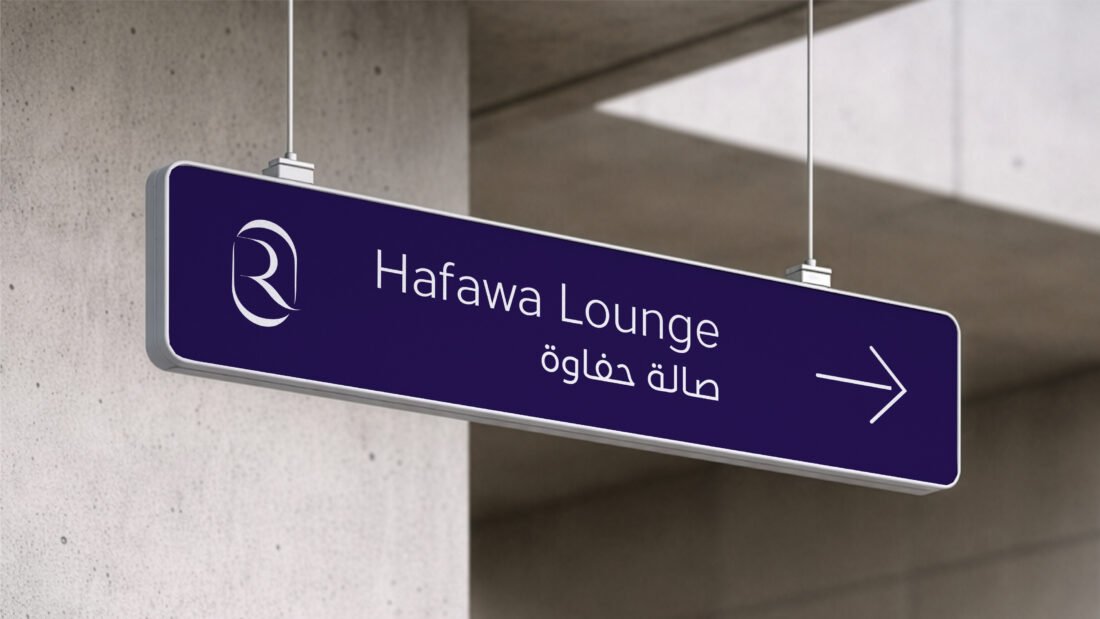
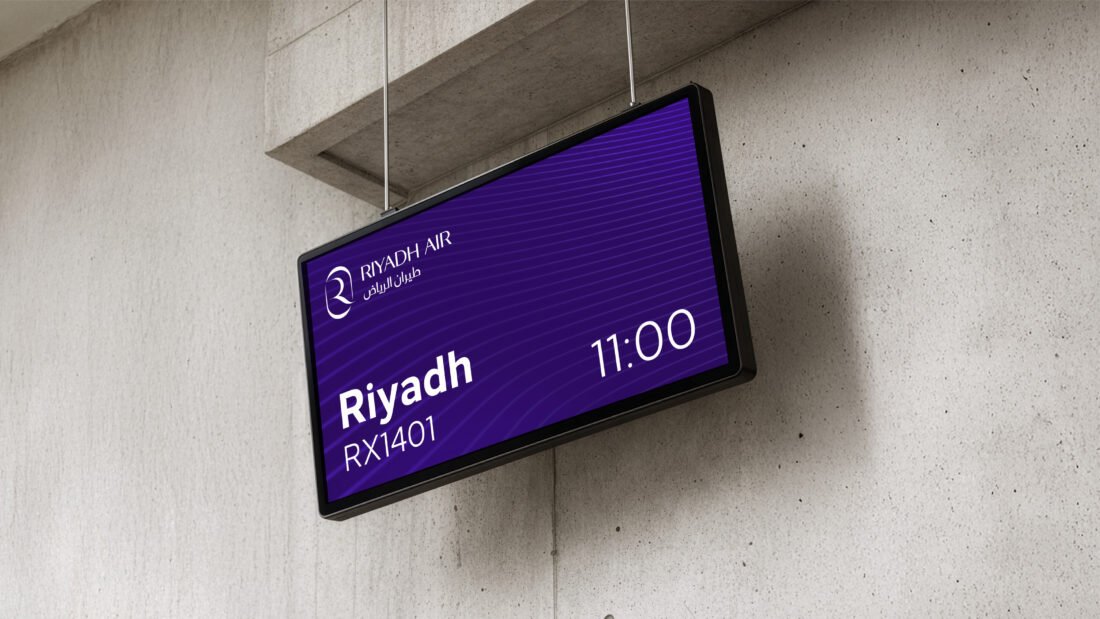
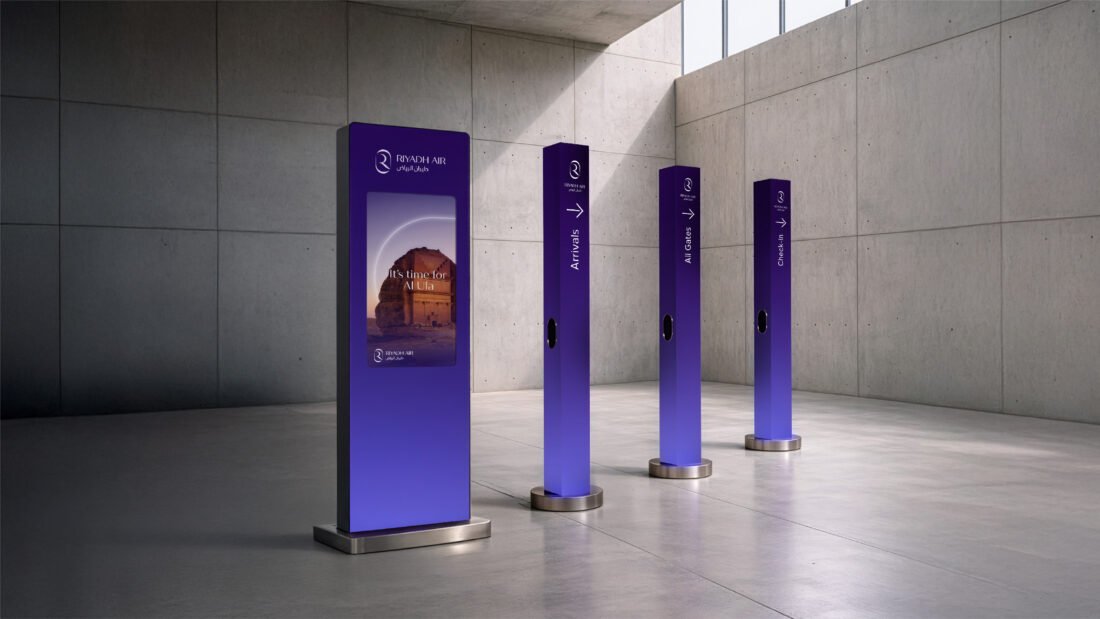
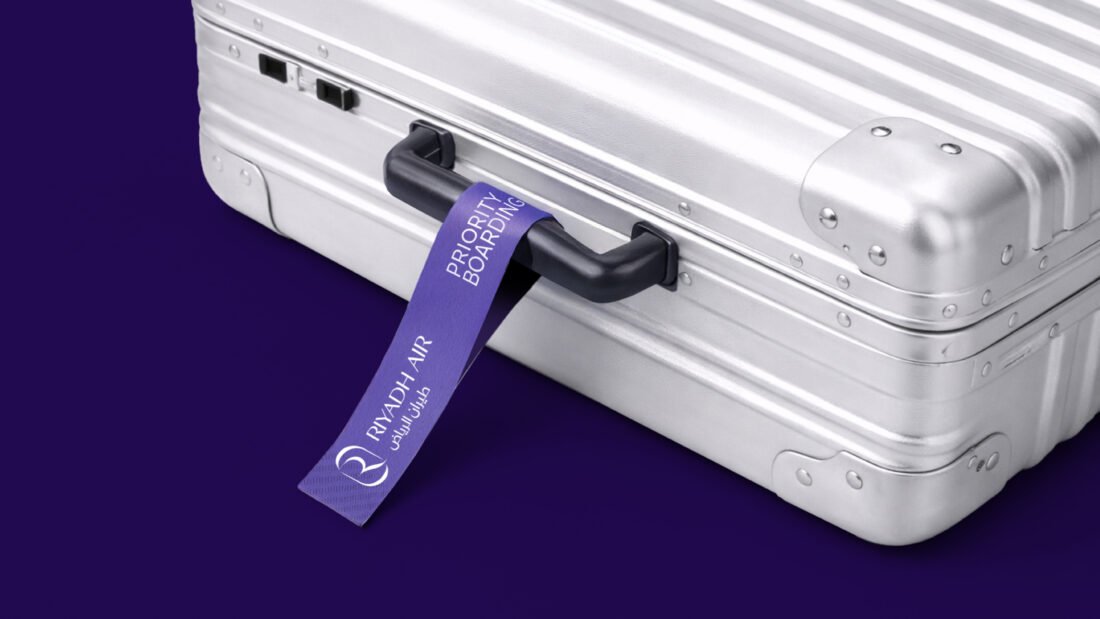
When a national carrier is created from nothing, branding stops being a layer applied to a product and becomes part of the product itself. FutureBrand’s work on Riyadh Air offers a practical case study in designing a brand as a system rather than a campaign.
Most branding briefs begin with something to protect, such as a heritage, a legacy or an existing customer base. Riyadh Air began with none of these. The brief was to create Saudi Arabia’s new premium airline from the ground up, as a digital native carrier and a key enabler of Saudi Vision 2030.
That starting point is rare. Few opportunities in branding are as ambitious as launching a national airline, and fewer still carry the potential to influence how global aviation is experienced. For marketers across the region, the project is worth studying less for its scale than for its method.
Strategy first, then system
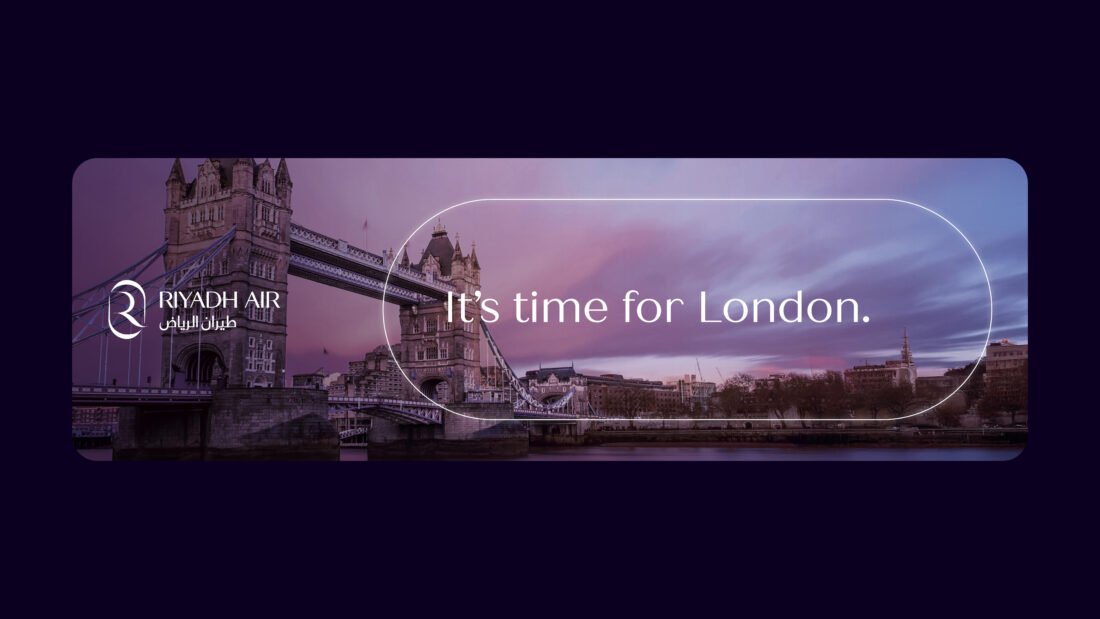
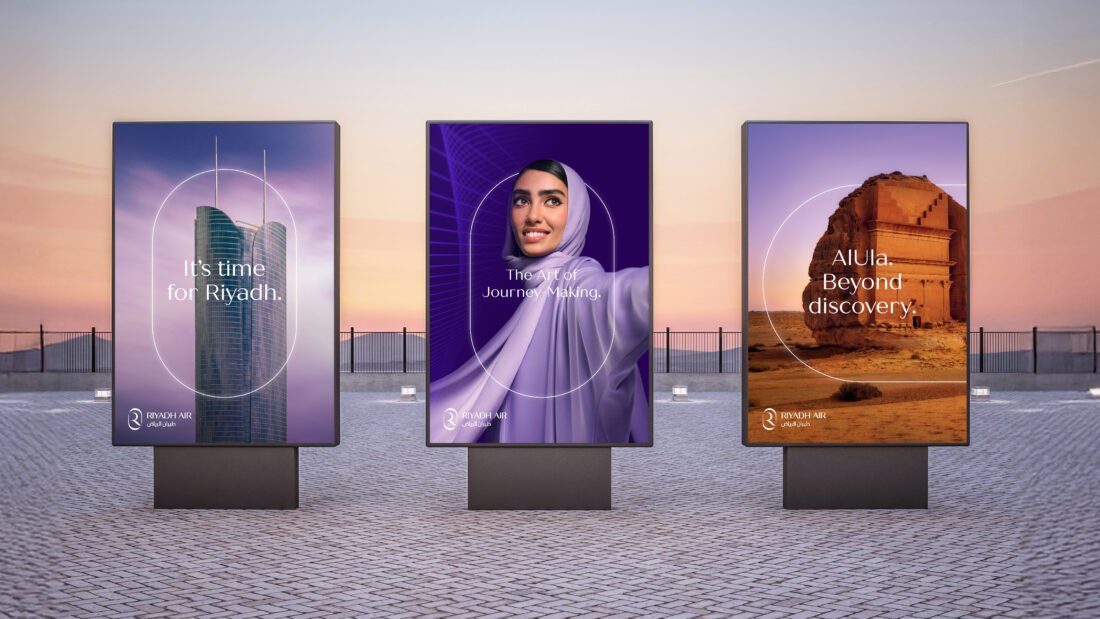
FutureBrand partnered with Riyadh Air from the outset, defining the brand strategy before translating it into what the agency describes as a future ready ecosystem, built to grow with the business.
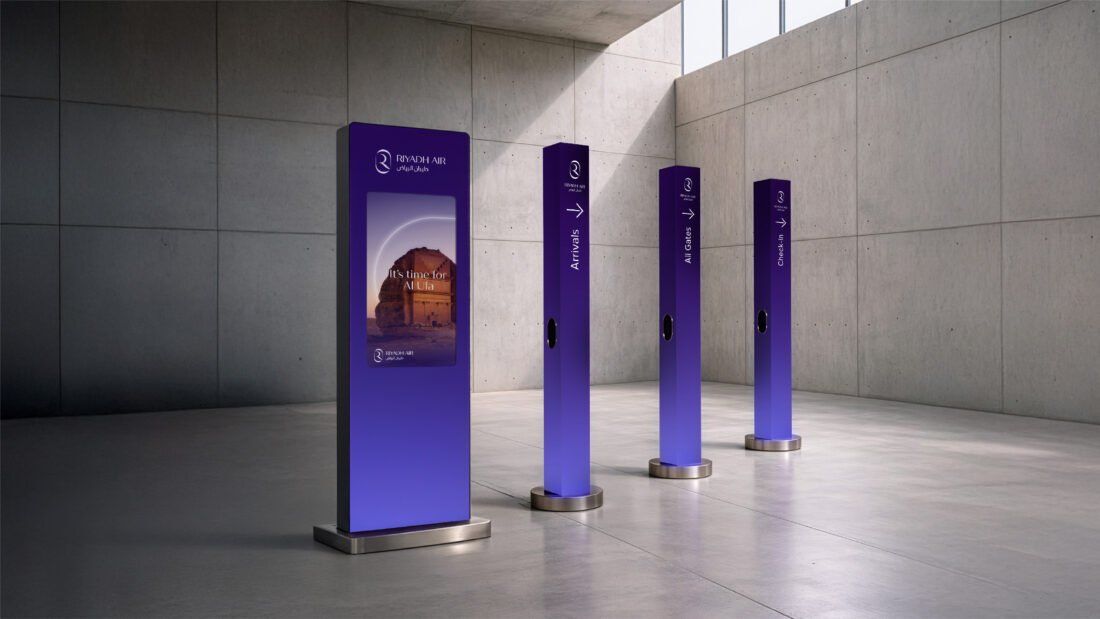
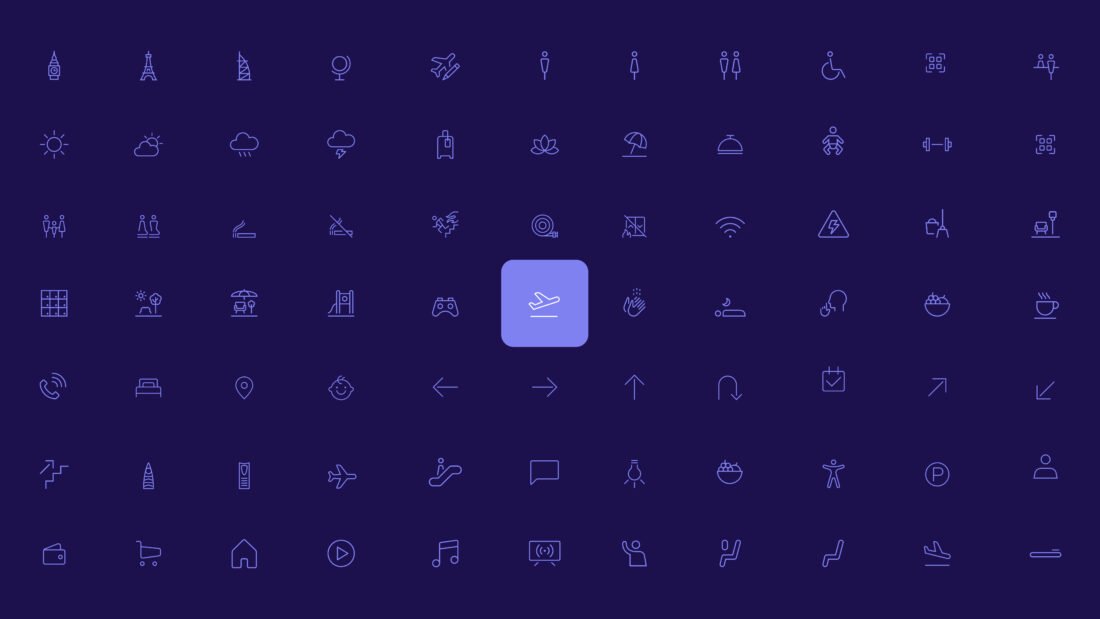
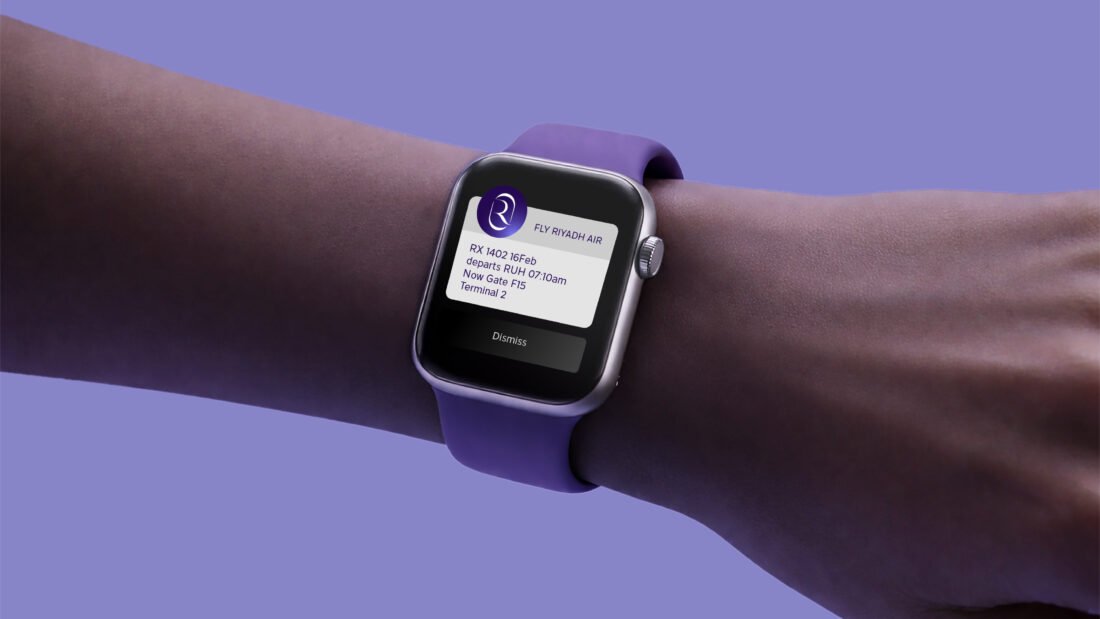
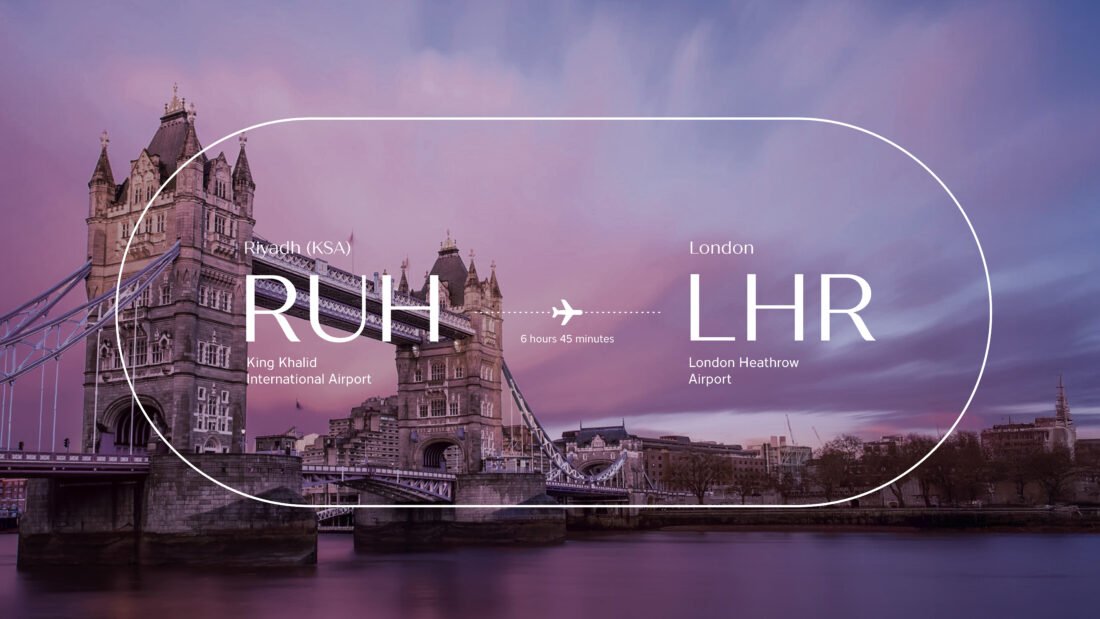
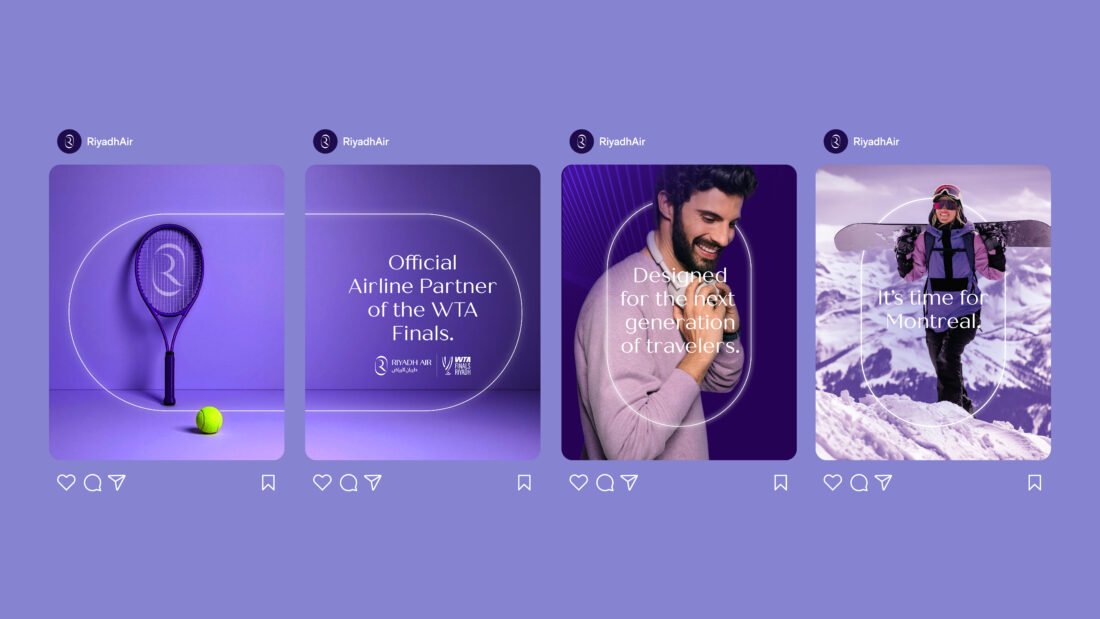
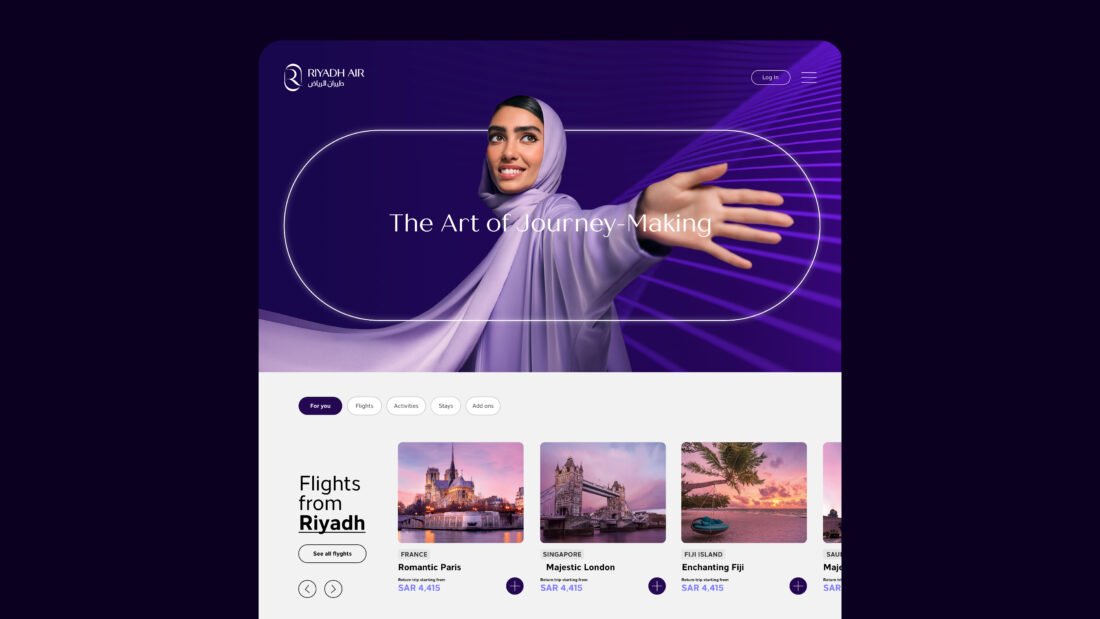
At the centre sits a deliberately simple idea: bringing people, cultures and opportunities closer together. For an airline, the idea works on two levels. It describes the commercial function of the product, and it reflects the Kingdom’s evolving role on the global stage. Crucially, it was used as a design principle rather than a tagline. It shaped the visual and verbal identity, the sonic expression, the customer experience, the airport environments and the communications.
For practitioners, this is the useful lesson. A brand idea earns its place when it can settle decisions across disciplines that rarely share a room, from cabin design to the sound a passenger hears at a touchpoint.
A network of specialists, one creative vision
No single agency built Riyadh Air. FutureBrand led the creative vision across an international network of specialist partners, with the task of making every element work as one coherent system.
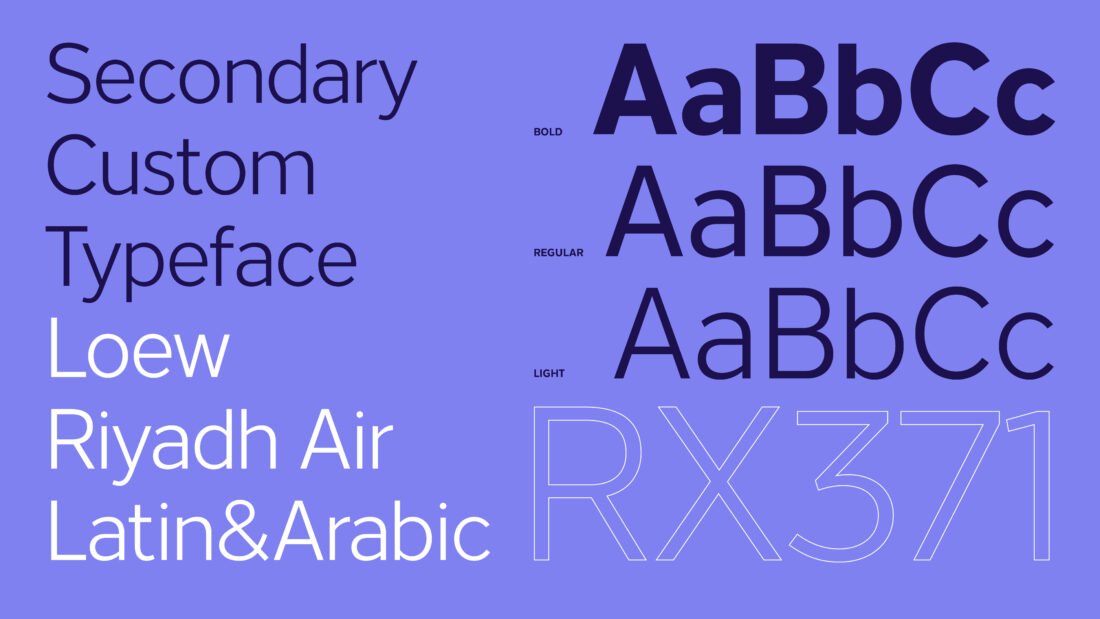
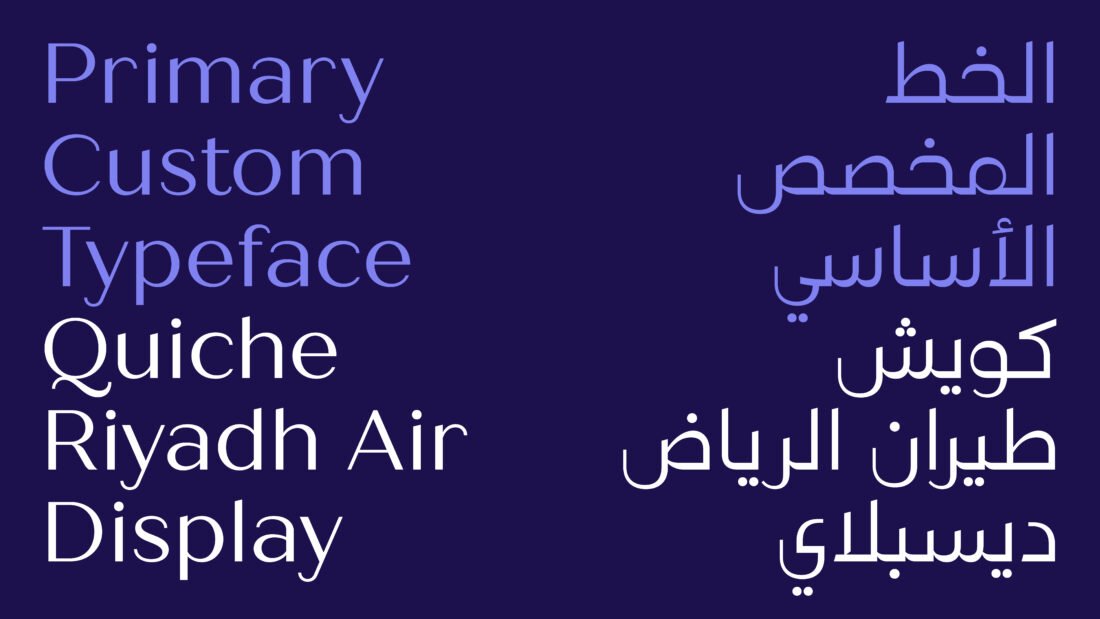
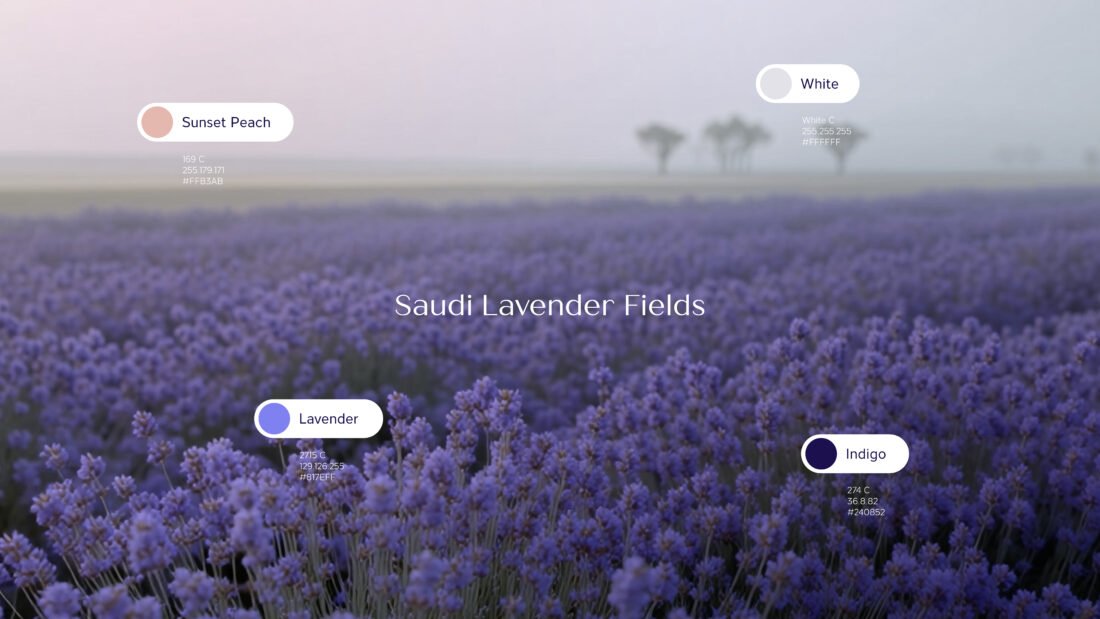
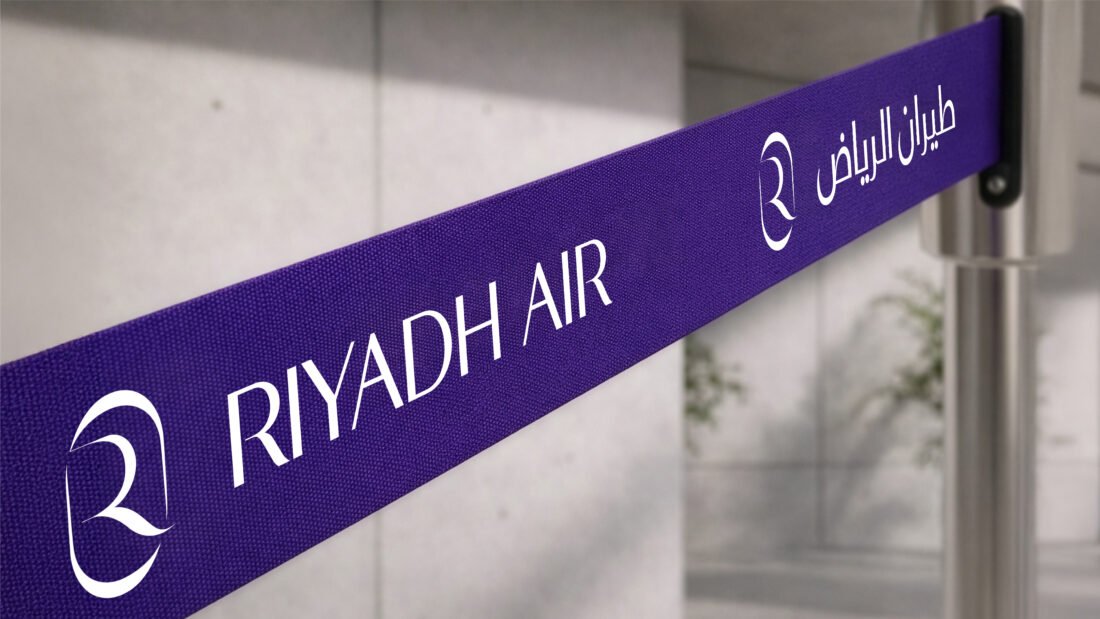
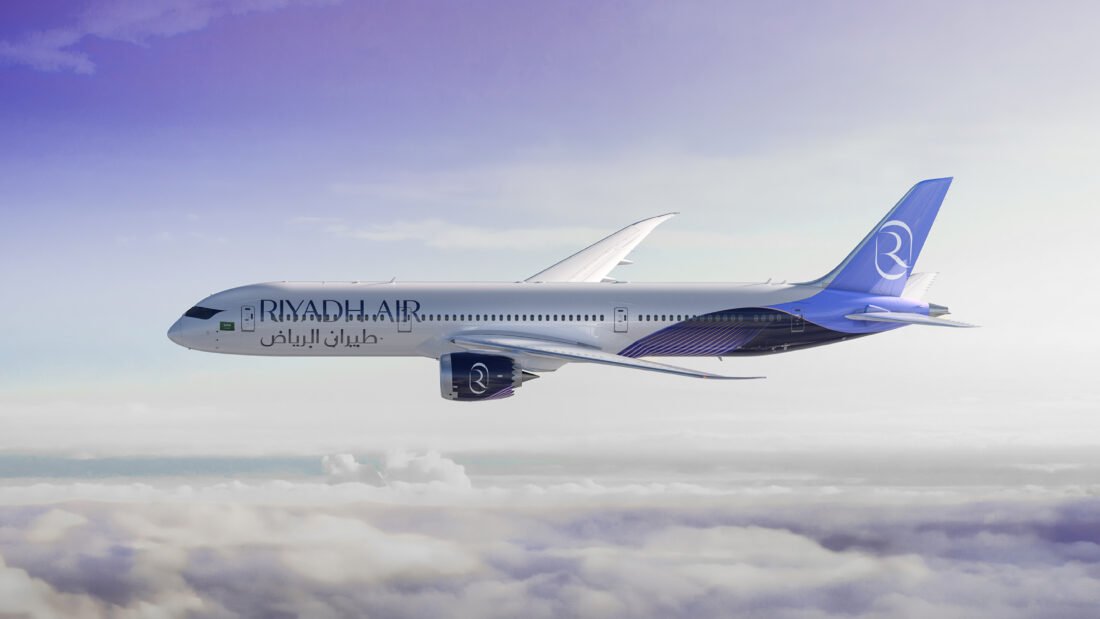
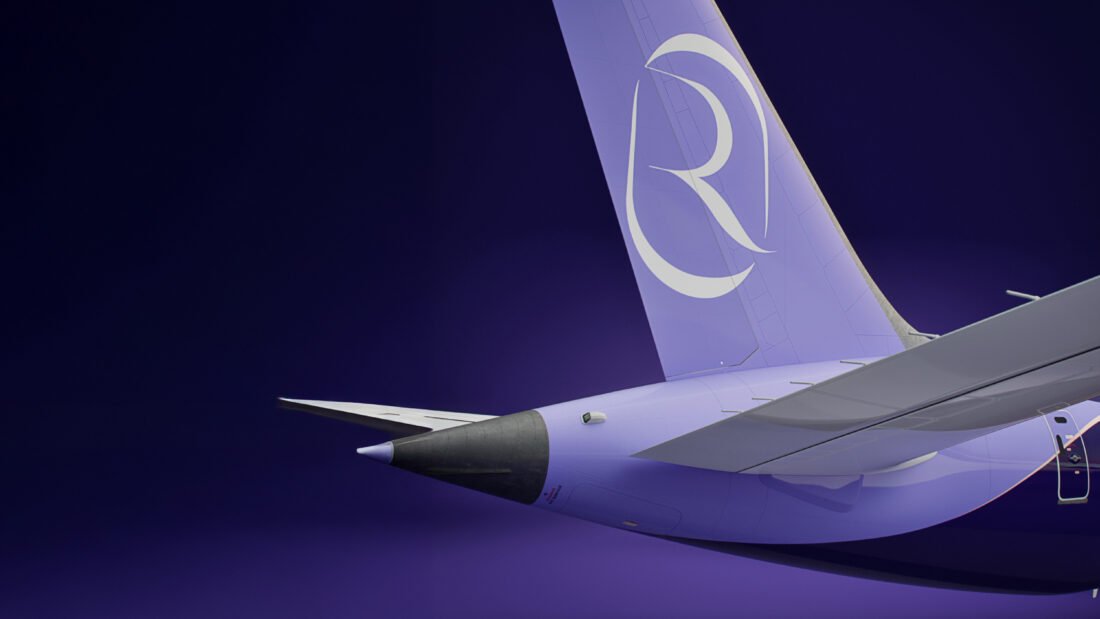
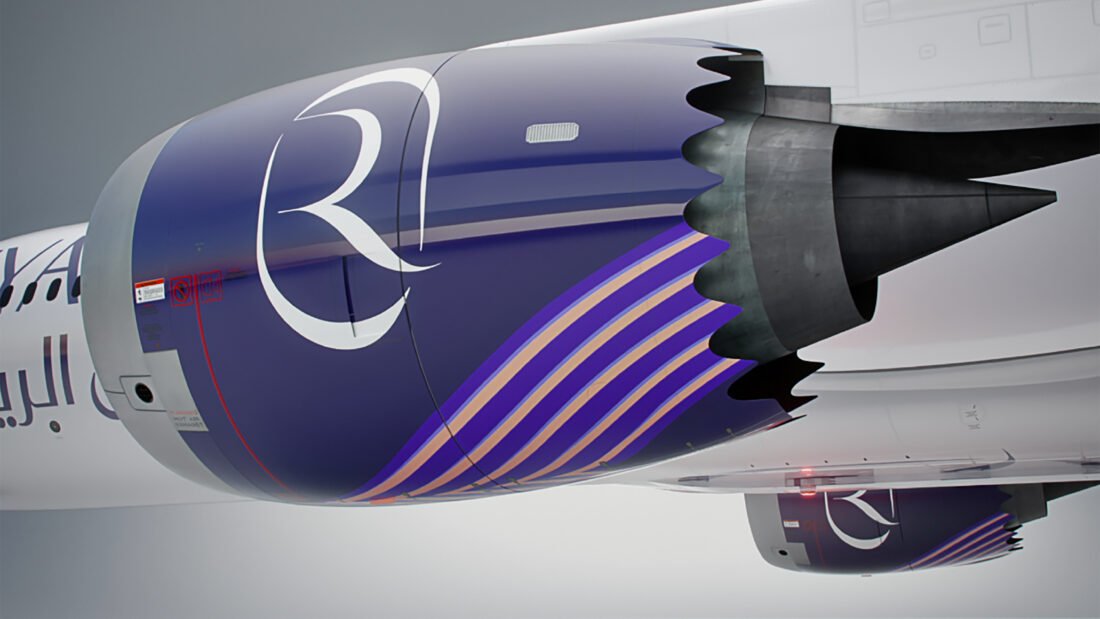
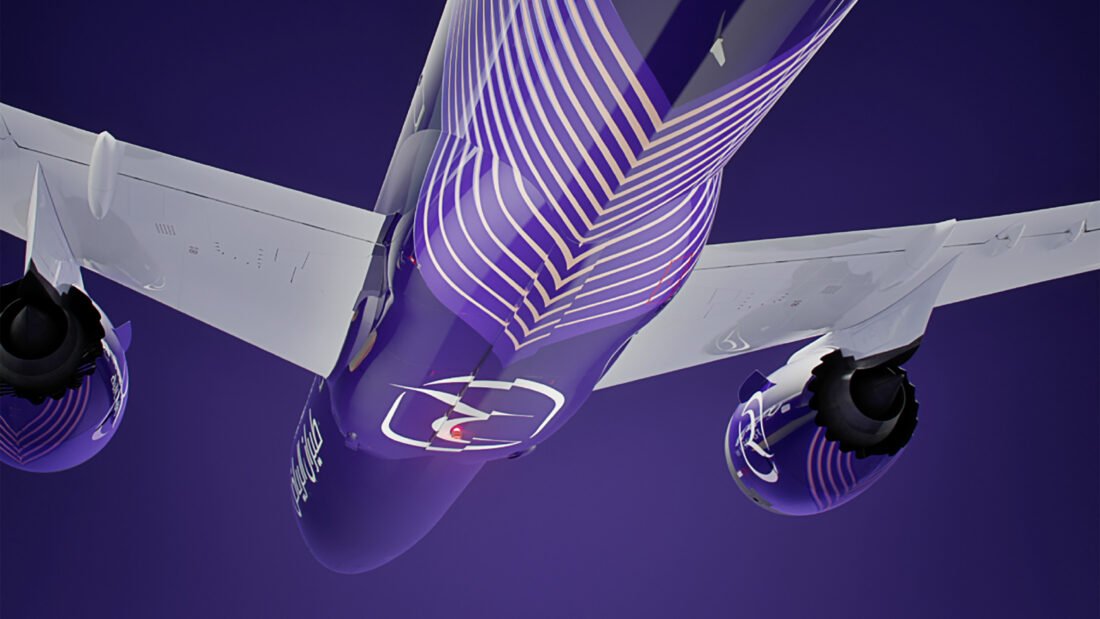
PriestmanGoode designed the cabin interior, livery, logo, typography and brand colour palette. Sonicbrand developed the sonic identity, which was recorded at Abbey Road Studios and extends the brand across physical and digital touchpoints.
This division of labour reflects how large scale brand creation increasingly works. The strategic and creative lead sets the rules, specialists execute in their own craft, and the value lies in the discipline that keeps the output consistent. In an airline, where a customer meets the brand in a booking flow, a boarding hall, a cabin and a chime, that consistency is the product.
Behaviour over appearance
Stefano Rivolta, Creative Director at FutureBrand Milan, frames the ambition as a challenge to convention: “Creating Riyadh Air meant challenging the conventions of airline branding. Our ambition was to develop a fresh, contemporary brand language that could capture the spirit of a changing nation while setting new expectations for the future of travel.”
He then makes the point that matters most for the wider industry: “A truly powerful brand isn’t defined only by how it looks, but by how it behaves and makes people feel. With Riyadh Air, we wanted to bring this belief to life, translating a bold vision into a distinctive and consistent experience at every touchpoint.”
The distinction between look and behaviour is where many launches succeed or stall. An identity can be unveiled in a day. Behaviour has to be delivered, repeatedly, by operations, service teams and technology. For a carrier positioning itself as digital native, that places the brand and the customer journey in the same conversation from the start.
The client view
From the client side, Osamah Alnuaiser, SVP Marketing and Corporate Communications at Riyadh Air, describes the collaboration in practical terms: “Working with FutureBrand has been a highly collaborative and dynamic experience. They have brought real creativity, always underpinned by clear strategic thinking, and have been agile and responsive throughout.”
The phrases agile and responsive deserve attention. On a programme of this size, with multiple partners and a business still taking shape, the ability to adapt is as valuable as the original creative idea.
What marketers can take from it
Three lessons stand out for MENA brand leaders:
- Anchor the system in one idea. A single, simple principle can govern decisions across identity, experience and communications.
- Orchestrate specialists deliberately. Craft expertise is best used inside a clear creative framework, with one party accountable for coherence.
- Design for evolution. Riyadh Air is positioned as a global brand built for a new era of travel, designed to evolve. Brands launched into fast moving markets need room to grow built into the system.
Riyadh Air is more than an airline launch. As a case study, it shows what becomes possible when strategy, design and experience are conceived together, and when a brand is built to behave as well as to look.