The Revenue Architects: Platformance’s Hassan Shoker
Platformance’s Chief Commercial Officer has worked on the agency side, the platform side and now the adtech side of the marketing table. His view of where MENA revenue comes from next starts with one question from the advertiser: what is my business getting in return?
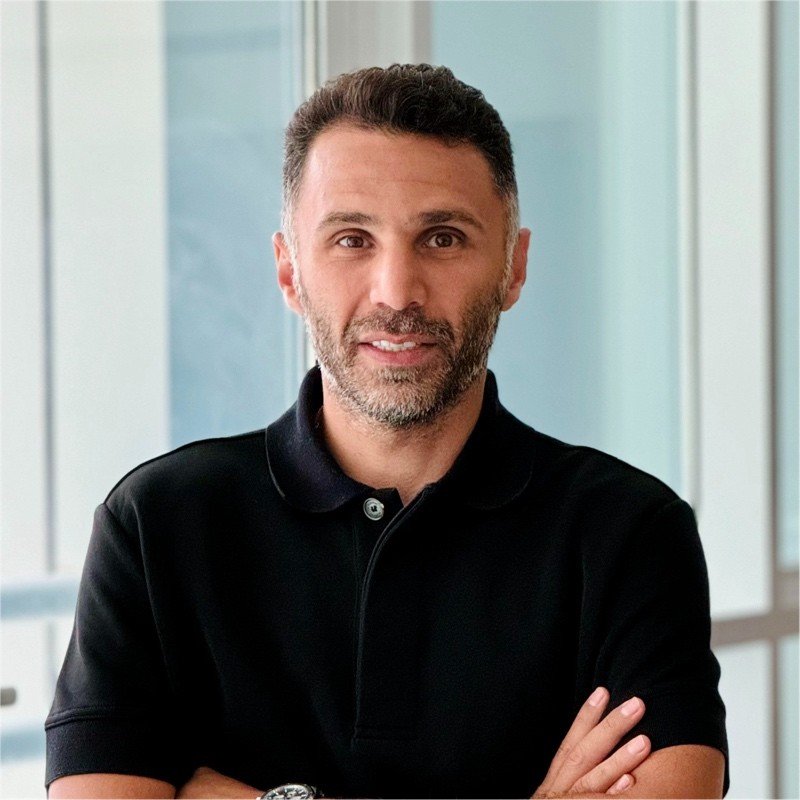
Few commercial leaders can say they have sat on all three sides of the advertising table. Hassan Shoker, Chief Commercial Officer of Platformance, can. He began on the agency side, first as Senior Media Director at Mindshare Dubai and then as Regional Head of Investments at PHD Dubai, before moving to TikTok METAP as Head of Trading Partnerships. Today he leads commercial growth at Platformance, a FAST Company.
We’ve exclusively sat down with Shoker for his views on how marketing spend becomes commercial results
BB: You have moved from agency investment to a platform and now to adtech. How has that path shaped the way you run commercial?
HS: I’ve been fortunate to experience this industry from three very different perspectives. At Mindshare and PHD, I spent years understanding how agencies operate, how investment decisions are made, and how strong commercial partnerships are built. At TikTok, I experienced the platform side, where the challenge was creating value for advertisers while driving sustainable growth for the business.
Today, at Platformance, I’m bringing those experiences together with one clear priority: delivering measurable business outcomes.
What I’ve learned is that successful commercial leadership isn’t just about negotiating the best deal or growing revenue. It’s about understanding what matters to every stakeholder, aligning their interests, and building partnerships that create long term value. That’s the mindset I bring to every commercial decision.
BB: What does a CCO own that nobody else in the C suite does?
HS: For me, the CCO owns the commercial growth of the business, but more importantly, the strategy and relationships that make that growth sustainable.
It’s not simply about driving sales or hitting revenue targets. It’s about identifying new opportunities, building the right partnerships, developing scalable commercial models, and making sure the entire organisation is aligned around growth.
A strong CCO needs to connect the dots between the market, the product, the customer, and the business. Revenue is ultimately the result of getting those connections right.
BB: Where will revenue growth come from in MENA over the next two years?
HS: I see significant opportunities across MENA, particularly as advertisers become more demanding about how their marketing investments translate into business results.
Saudi Arabia will continue to be a major growth engine, while markets like the UAE will keep pushing innovation and more sophisticated marketing solutions. Egypt also represents a huge opportunity because of its scale, young population, and growing digital economy.
But beyond individual markets, I believe the biggest shift will be towards performance driven marketing, commerce, and solutions that connect advertising directly to customer acquisition and sales.
The industry has spent years optimising how media is bought. The next phase of growth will come from optimising what that media actually delivers for the business.
BB: What is the biggest shift in what brand side commercial leaders ask of partners today?
HS: The conversation has fundamentally changed. A few years ago, much of the discussion revolved around media efficiency, reach, impressions, and buying rates. Today, advertisers are increasingly asking a much simpler question: what is my business getting in return?
They want partners who understand their commercial challenges, not just their media briefs. Whether the objective is acquiring new customers, driving transactions, or growing revenue, they expect measurable results and greater accountability.
And I think that’s a very healthy shift for our industry. It pushes everyone to move beyond selling media and start delivering genuine business value. That’s exactly the philosophy we’re building around at Platformance.
BB: Platformance works on paying for outcomes rather than media. What changes when a brand moves to that model?
HS: It changes the relationship completely.
In traditional media buying, advertisers pay for exposure, clicks, or traffic, with the expectation that these activities will eventually generate business. In an outcome based model, the conversation starts with what the advertiser actually wants to achieve, whether that’s a qualified lead, a new customer, or a completed transaction.
At Platformance, our approach is to align our commercial success with the advertiser’s success. That creates a different level of accountability and encourages both sides to focus on performance rather than simply spending the budget.
For me, the real value is not just reducing the advertiser’s risk. It’s creating a partnership where everyone is working towards the same business objective.
BB: Agencies remain central to how brands buy. How should platforms work with them?
HS: Having spent a significant part of my career in agencies, I strongly believe they remain essential to the advertising ecosystem.
Agencies bring strategic thinking, deep client relationships, market knowledge, and the ability to connect different media and technology solutions into one coherent strategy.
Platforms and adtech companies should see agencies as strategic partners, not simply distribution channels or intermediaries. The opportunity is to complement their capabilities, bring innovation, and help them deliver stronger results for their clients.
At Platformance, we believe the strongest partnerships are built when agencies, technology partners, and advertisers work together with a shared commercial ambition. When each party brings its strengths to the table, everyone benefits, especially the advertiser.
BB: How do the UAE, KSA and Egypt differ commercially, and what do leaders often get wrong about that?
HS: One of the biggest mistakes companies make is approaching MENA with a single commercial playbook.
The UAE is a highly competitive and mature advertising market where innovation, efficiency, and differentiation are critical. Saudi Arabia offers tremendous scale and growth opportunities, but succeeding there requires strong local relationships, market understanding, and long term commitment.
Egypt is a different proposition altogether. It’s a market with enormous consumer potential, but one where pricing, operational agility, and commercial flexibility play a much bigger role.
Having worked across these markets for years, I’ve learned that regional strategy gives you direction, but local execution determines your success. You need to understand how business is actually done in each market, not simply replicate a model that worked somewhere else.
BB: Which metric would you retire, and which one deserves more attention?
HS: I wouldn’t necessarily retire a metric, but I would retire the idea that media efficiency automatically equals business success.
We still spend too much time celebrating lower CPMs, cheaper clicks, or impressive reach numbers without always questioning whether those results created real value for the advertiser.
If I had to prioritise one metric, it would be customer acquisition cost, but always in the context of customer quality and lifetime value.
Acquiring customers cheaply means very little if they don’t convert, return, or contribute to profitable growth.
Ultimately, the industry needs to become much better at measuring business impact, not just media performance. That’s where I believe the future of advertising is heading.