The Wonder Women of MENA: Nicole Aoun
Empathy Is Not a Soft Skill. It’s a Strategic One
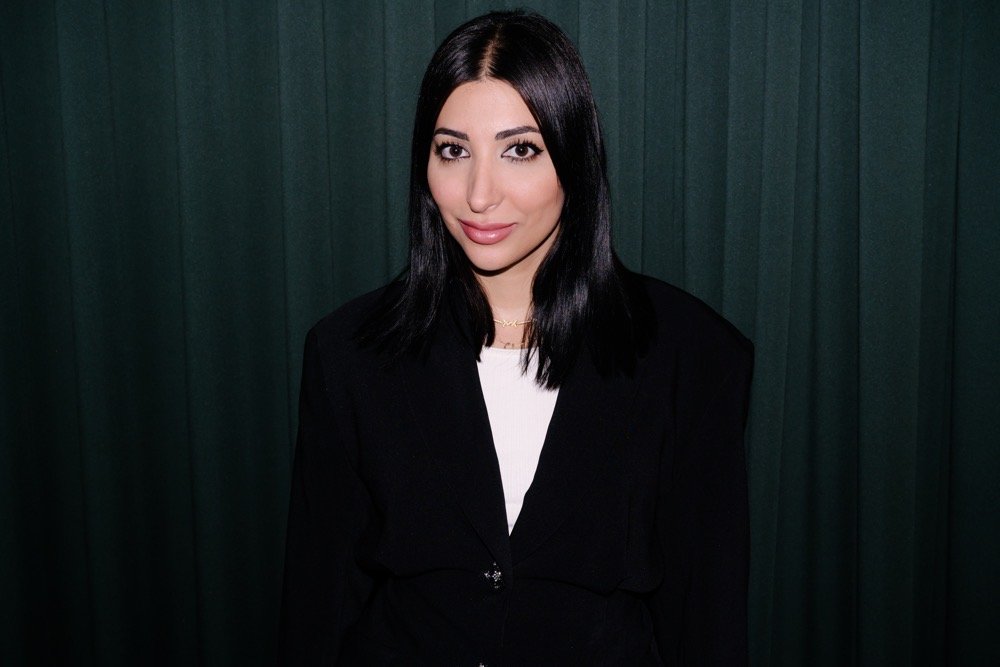
Empathy is often described as a soft leadership trait. Over time, I have come to see it as something quite different: one of the most practical strategic tools a leader can have.
Over the past fifteen years, working across global brands from FP7 McCann to Al Tayer, National Geographic, Fox, Spotify and now Visa, I have seen how leadership cultures shape the way people collaborate, compete, and grow.
Along the way, I worked with many talented leaders. Some were generous mentors who created space for others to grow. Others were more guarded, shaped by environments where opportunity felt scarce and hard won. That contrast stayed with me. It showed me how quickly leadership can become about protecting ground rather than creating more space.
My own career has not followed a narrow path. I have moved across industries, functions and markets, from agency environments to global brands, and across B2B marketing, consumer growth, and partnerships. Over time, that breadth exposed me to very different priorities and pressures. It also shaped something that continues to guide how I lead: the importance of understanding different perspectives before trying to align them.
Early on, I made a conscious decision about how I wanted to show up as a leader. I was not interested in building influence by overpowering a room with my voice. Instead, I focused on listening carefully, speaking with intention, and creating space for others to contribute while keeping the work and outcome at the center
For me, empathy in leadership is not about accommodating egos or doing emotional labor. It is taking the time to understand the realities people are operating within.
During my time at Spotify, I worked across several parts of the business, from B2B marketing to consumer marketing and partnerships. Across those roles, one lesson kept proving true: when people feel their pressures and priorities are understood, conversations flow. Defensiveness softens, and the work gets better.
In meetings where perspectives where guarded, I try to slow things down before pushing for alignment. I ask what pressures people are facing, what KPIs are they accountable for, and what risks they are trying to mitigate.
When ideas are framed within those realities, the dynamic shifts. People engage more openly when they feel understood rather than overridden.
At National Geographic, I learned the value of restraint. Stewarding a brand built on global trust meant protecting its credibility while ensuring local relevance. Not every idea needed to be activated. It was my first time realizing that empathy in leadership is not only about people. Sometimes it is about understanding the brand you are responsible for and respecting what it stands for.
Alongside my commercial work, I also stepped into a global HR led Equity, Diversity and Inclusion role focused on wellbeing and inclusion initiatives. It gave me a closer view of something I had already sense: when people feel respects and supported, the work improves. The quality rises, collaboration becomes smoother, and people show up more fully.
The theme “Give to Gain” resonates with me because of what I witnessed early in my career. In environments where opportunity feels limited, it is easy for people to start protecting their space. But I also experienced the opposite. When leadership approach others with empathy instead of competition, mentorship grows. Progress stops feeling like something people fight over and starts becoming something they build together.
For women entering this industry today, one lesson that has stayed with me is that empathy is often underestimated in leadership conversations. Early in my career I sometimes wondered whether listening more than speaking would make my voice less visible. Over time I realized that listening didn’t diminish my voice. It sharpened it.
Leadership does not have to be about claiming space. It can also be about creating it. When leaders mentor others, share credit, and invite different perspectives into the room, the work becomes stronger and culture around it does too.
In my experience, that is where empathy stops being seen as a soft skill and starts becoming a critical strategic one.