The great unbundling: Decoding the future of audience engagement
By Ibrahim Ghazal, Head of Social Media MENA, and Steven Sidawi, Head of Media Delivery MENA, WPP Media
The age of ‘social media’ is over.
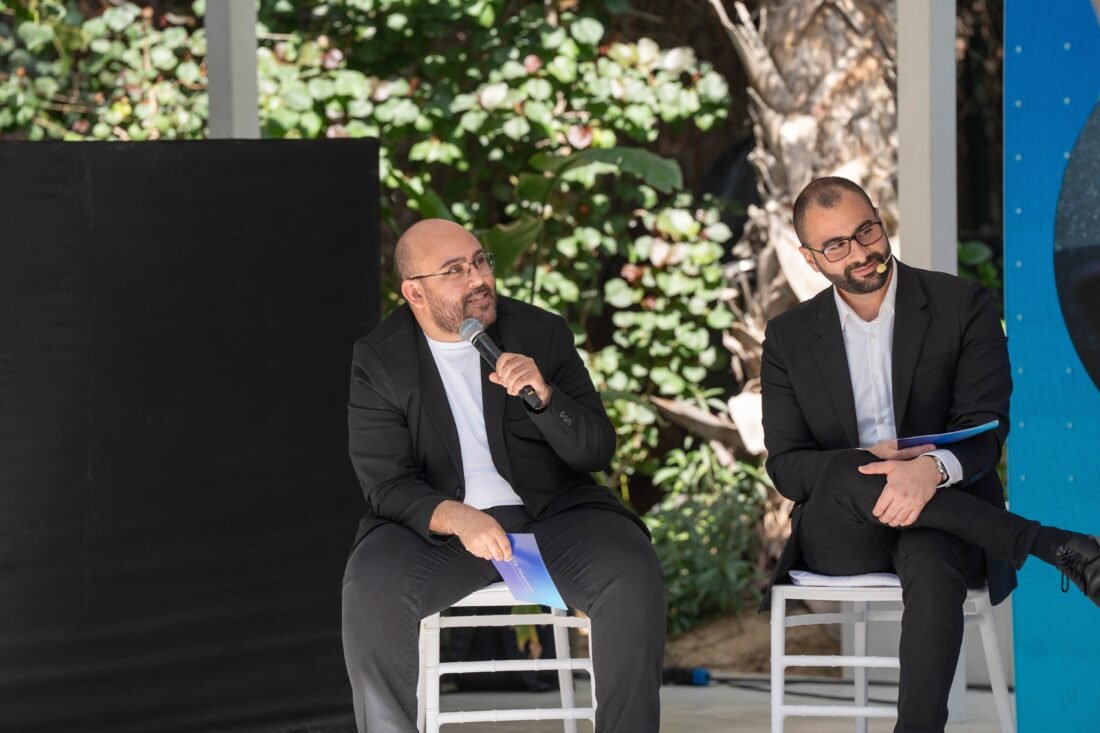
This may sound like a bold claim, but it was the undeniable conclusion from our recent ‘Media Maestros’ panel, where we gathered leaders from Meta, TikTok, Snapchat, Pinterest, and YouTube. The monolithic term we’ve used for over a decade no longer captures the reality of a fragmented, multi-faceted digital landscape.
As leaders in social strategy and media delivery at WPP Media, we see this not as a complication, but as a pivotal opportunity. Brands that continue to apply a one-size-fits-all strategy are not just missing opportunities; they are fundamentally misdiagnosing the landscape. Success in 2026 and beyond requires a dual strategy: understanding the nuanced DNA of each platform and mastering the art of delivering value within it.
Ibrahim Ghazal: From audiences to mindsets – A social strategy perspective
From a social strategy standpoint, the most critical shift is moving from asking “Who is my audience?” to “What is my audience’s mindset right now?”. The user who opens TikTok to be entertained is in a completely different mental space than the one who opens Pinterest to plan a purchase or YouTube to learn a new skill.
We’ve moved beyond a simple feed. We now operate in three distinct spaces:
- Platforms of entertainment & discovery (e.g., TikTok): Here, we are guests in a world driven by a powerful content graph. Our job as brands is not to interrupt the entertainment but to become the entertainment. Polished, traditional ads are jarring and instantly skipped. Success requires thinking like a media company, producing culturally resonant content that earns its place in the user’s “For You” page.
- Platforms of intent (e.g., Pinterest, YouTube): On these platforms, users arrive with a purpose. They are actively seeking solutions, inspiration, or education.
- Brands aren’t an interruption here; they are a welcome part of the discovery process. A ‘save’ on Pinterest is a powerful signal of future purchase intent, far more valuable than a fleeting view.
- Platforms of connection (e.g., Snapchat, Meta): These are spaces built for immediate, visual, and personal communication. Brands win not by broadcasting, but by providing tools that enhance personal interactions. An AR lens on Snapchat that friends share is the ultimate native ad – an experience, not a commercial break.
This new reality also changes how we approach creativity. The fear of AI replacing human ingenuity is misplaced. We must adopt a co-pilot mindset. AI is our creative enabler, freeing teams from laborious production cycles to focus on big, strategic ideas. It allows us to generate and test multiple creative variations at scale, discovering what truly resonates with different mindsets in a way that was previously impossible. The challenge isn’t the technology; it’s maintaining trust. Transparency in the use of AI is no longer optional; it’s our new currency.
Steven Sidawi: Beyond views – A media delivery perspective
From a media delivery standpoint, this fragmentation demands a radical overhaul of how we measure value and allocate investment. The common desire to simplify media plans by consolidating budgets into a single platform is not efficiency; it’s a strategic gamble.
Your CFO may love the simplicity of a single-platform strategy, but your brand will pay the price in missed opportunities. Diversification is not a luxury; it is a strategic necessity.
My focus is on translating Ibrahim’s strategic ‘what’ into the tactical ‘how’. This begins by dismantling the vanity of views and impressions. These are relics of old media. We must now define and measure quality attention on its own terms for each platform:
- On YouTube, it’s a “deliberate, long-form focus” – a user choosing to watch a significant portion of a longer video.
- On Pinterest, it’s “future intent” – a user saving a brand’s Pin to a board, creating a direct link to a future purchase.
- On TikTok, it’s “immersive participation” – a re-watch, a comment, or a “stitch” that signals genuine cultural impact.
- On Meta, it’s a “blended model of engagement” – an emotional reaction, a saved product, or a direct inquiry on WhatsApp.
By consolidating, you choose to speak to your customer in only one of these modes, creating massive blind spots in their journey. Our role in media delivery is to build a sophisticated portfolio approach. We allocate budget to intercept customers at multiple, critical mindsets, tailoring the message and the metric to each specific context. This ensures that not a single dollar is wasted chasing the wrong goal on the right platform.
The next frontier: From ads to utility
Looking ahead, our unified vision is a future where the lines blur between advertising and genuine utility. Your next ad won’t be an ad; it will be a useful tool your customer chooses to integrate into their life.
Imagine a user wearing AR glasses who can, with a voice command, instantly re-furnish their living room with items from a brand’s catalogue. This is not an interruption; it’s a powerful, problem-solving utility. As platforms like Meta and Snapchat build out the ecosystems for their smart glasses, the immediate focus is on building these use cases first, before ad integration.
For brands, this signals a monumental long-term opportunity. The path forward is clear: stop applying one set of rules to a dozen different games. Understand the DNA of each platform, embrace AI as your co-pilot, and diversify your investment to meet your customers in the moments that matter. The future belongs to those who build value through useful, authentic, and entertaining applications, not just interruptive messages.