Signals For 2026: Platformance’s Hamza Madi
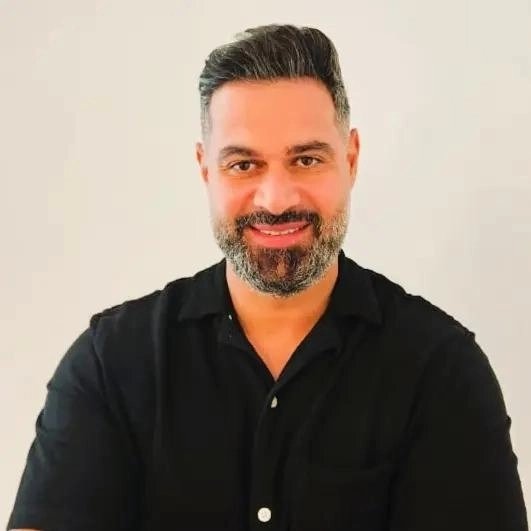
By: Hamza Madi: General Manager Emerging Markets and Solutions, Platformance
Retail Media in MENA: Five Observations on What Comes Next
I have spent the last few years working closely with retail media across MENA. Sitting with retailers, brands, and partners across different markets gives you a very practical view of how things are evolving on the ground. What stands out to me right now is timing. Retail media in this region feels like it is coming together at a moment when experience, behaviour, and capability are finally aligned.
There is a sense that the market understands what retail media can be, and is now ready to focus on how it should work. These are five observations that, in my view, will shape how retail media develops across MENA over the coming years.
1. Retail media here benefits from experience Retail media across MENA is still taking shape. Some retailers are well advanced, others are earlier in their journey, and approaches vary widely by category and market. What is different this time is perspective. The region has watched how retail media evolved elsewhere and learned from it. There is a clearer understanding of where complexity can build too quickly, where measurement can fragment, and how early decisions shape long-term execution. That perspective creates space to be deliberate. To think about structure, scale, and consistency from the start. Retail media here has the opportunity to grow with clarity around how it fits into wider marketing activity and how its impact is understood.
2. Retail media brings richer signals into how we reach people One of the biggest differences I see with retail media is the quality of the signals it creates. When someone browses products, compares brands, checks prices, or adds items to a basket, they are leaving behind signals that are deeply tied to real buying decisions. These signals are specific, timely, and grounded in actual behaviour. In my experience, this changes how targeting works. Rather than relying on predicted interests or inferred intent, retail media allows marketers to respond to what people are actively doing inside a purchase journey. This is where trust starts to build. Retail media speaks the same language as the business at the point of purchase. The signals reflect demand as it forms, and that brings media activity closer to commercial reality.
3. Ecommerce behaviour is already embedded in daily life Across MENA, digital commerce is part of everyday behaviour. People are comfortable discovering products online, comparing options quickly, and completing purchases with ease. This matters for retail media because it builds on habits that are already established. The journeys are familiar. Expectations around convenience and speed are clear. Retail media fits naturally into how consumers already shop. From what I see, the focus now shifts from adoption to quality. How thoughtfully retail media is integrated into these journeys, and how useful and relevant it feels to the consumer, becomes the real differentiator.
4. Mobile-first journeys create clearer foundations MENA’s mobile-first reality quietly plays an important role in how retail media performs. Mobile journeys tend to be more direct. Signals are more consistent. The path from interest to action is often easier to follow. While there is still complexity, the foundations are strong. Over time, this makes learning easier. It becomes clearer what works, why it works, and how to apply those learnings again. Retail media built on mobile-first behaviour benefits from stronger signal quality, which supports better decision-making across campaigns.
5. Retail media has moved from trade activity to always-on media investment For a long time, retail media conversations largely sat within trade and shopper teams. Budgets were often tactical, campaign-based, and closely tied to promotions rather than broader media planning. That has changed as shopping online became part of everyday life. Retail environments are no longer just the final step before purchase. They are where discovery, consideration, and decision increasingly happen together. In my experience, this shift in consumer behaviour has forced a shift in how brands allocate media spend. Retail media is moving out of one-off activity and into always-on planning. By 2026, this continues to drive a meaningful reallocation of budgets, with money moving steadily from traditional channels into retail media environments where demand is active and measurable.
6. Accountability is becoming part of everyday marketing decisions As marketing investment grows across the region, scrutiny grows with it. Retail media brings clarity to these conversations because it operates close to transactions. It becomes easier to connect activity to outcomes and to have more grounded discussions about value. In my experience, this is where retail media starts to mature. The focus moves from testing formats to building discipline. Understanding what drives sales, applying those insights consistently, and improving over time. When a CMO can show finance that retail media delivered verifiable transactions rather than estimated conversions, the conversation changes.
A closing reflection
Taken together, these observations point to a clear direction. Retail media in MENA is ready to move forward with purpose, with structure, and with a stronger connection to outcomes that make sense to the business. Radius was built with this environment in mind. As execution infrastructure designed to help retail media operate consistently across a fragmented retail landscape, with accountability built into how it runs day to day. When timing, behaviour, and experience align, the way a market grows can look very different. That is where retail media in MENA finds itself today.