MENA Brands Have Mastered Reach. The Next Opportunity Is the Music Economy
By Elie Chammas, Head of Advertising & Brand Studios, Anghami
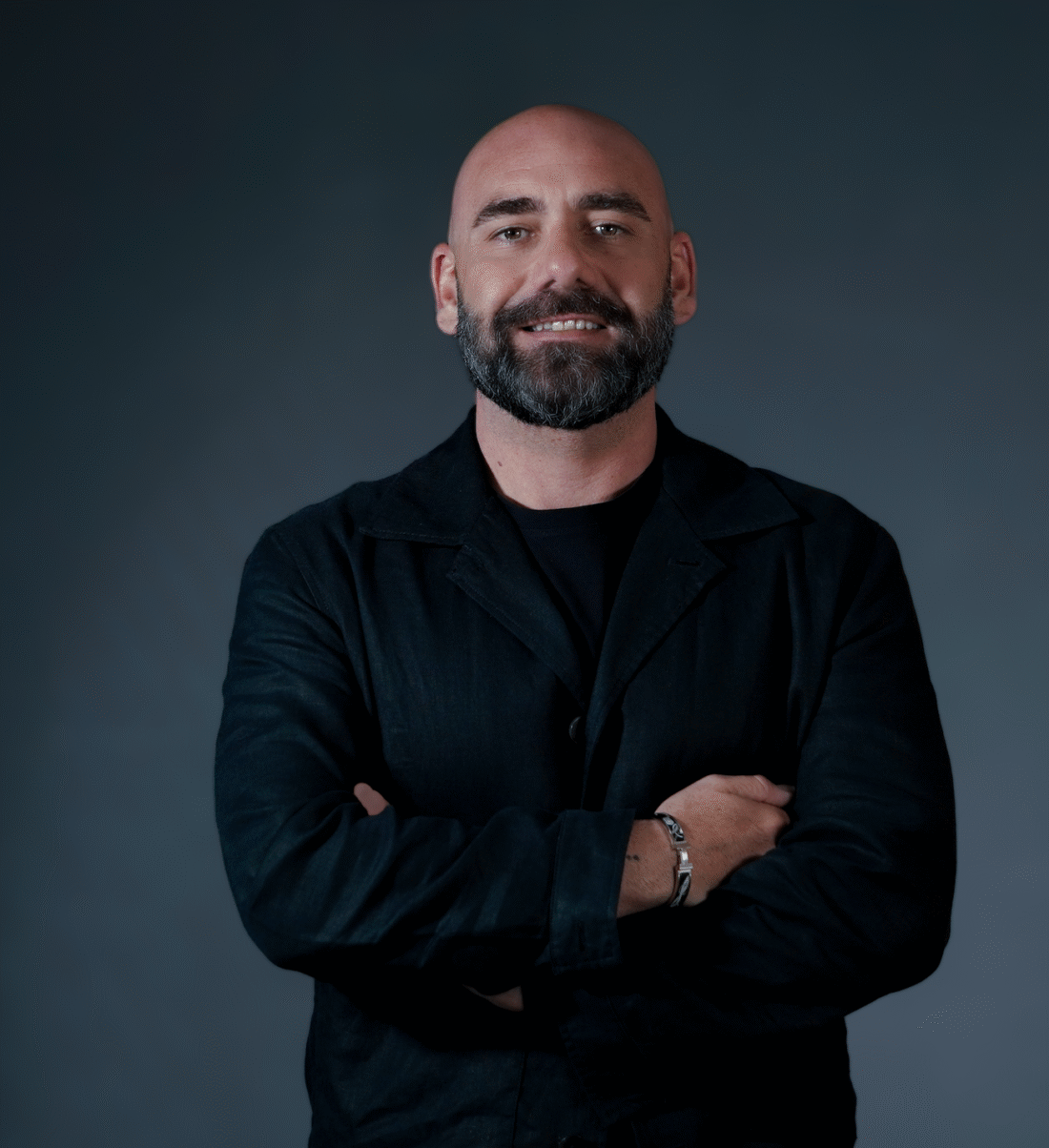
Throughout my career, I’ve been drawn to platforms where the commercial opportunity is meaningful and still has room to grow. Nine years at DMS taught me how trust is built between brands, agencies, and media businesses. TikTok showed me how to shift what people believe is possible, often without an established playbook. More recently, consulting across ad tech platforms gave me a complete view of the challenges facing brands, agencies, and platforms in an increasingly complex media landscape.
From all three perspectives, one opportunity kept surfacing above the rest the music economy.
Globally, the music economy is already a proven force, with brands investing in music as a serious, measurable growth channel. Global recorded music revenues reached $31.7 billion in 2025, an eleventh consecutive year of growth, with MENA among the fastest-growing regions in the world, up 15.2% in 2025 on the back of 22.8% growth the year before, according to IFPI’s Global Music Report 2026. In MENA, however, we’re still at the beginning of that curve on the brand investment side, despite having all the ingredients for success: artists shaping culture, highly engaged audiences, thriving fan communities, live events, streaming platforms, and brands looking for more meaningful ways to connect with consumers.
What’s missing is a shift in mindset.
Too often, music is treated as a campaign channel rather than an ecosystem. Music in MENA isn’t a mood, it’s an economy. Artists, labels, live events, fan communities, streaming behaviour, creators, and brand investment: every part influences and moves with the others.
What MENA-native platforms can offer here that global players cannot is straightforward: cultural trust, an Arab-first identity, and artist relationships built over years rather than acquired through licensing. Combined with regional production capability and media reach, that creates the conditions for brands to move beyond advertising around music and start participating in it.
As a professional musician, music has always shaped how I think about audiences and consumer behaviour. When you create and perform music, you understand why someone chooses a particular song at a particular moment, what they’re looking for, what they want to feel, and why certain experiences resonate more deeply than others.
Most commercial teams see music as a channel attached to reach metrics. I see it as human behaviour. And that changes the conversation entirely.
This is the opportunity for brands willing to think beyond short-term activations: investing in music as infrastructure, not just activating around it. The shift is from line item to co-investment, from buying space in the culture to helping shape it. Artist collaborations, sonic identities, original content series, long-term investments in culture- these are assets brands build on year after year, strengthening both cultural relevance and commercial impact over time.
The brands that will succeed are those that stop asking how they can advertise around music and start asking how they can contribute to it.
Across MENA, brands have already built strong reach. The next step is moving from reach to relevance and building a meaningful place within culture. Music can be more than a media channel; it can be a long-term growth platform where artists, audiences, and brands create value together.
The brands that understand this shift today will be the ones that build something lasting and the infrastructure that lasts with it.