Luxury in 2025 and Beyond: Trends Shaping the Future of the Sector
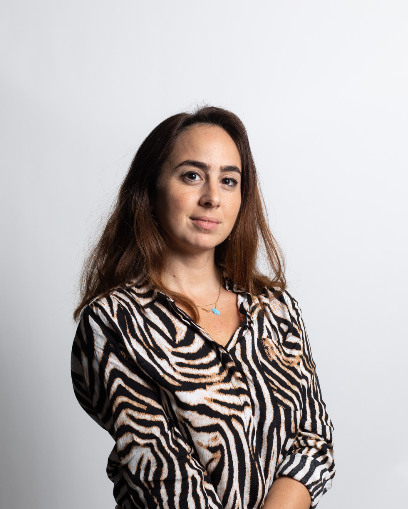
By: Natasha Vaughan-Jeremy, Fractional CMO and Founder of The Luxe Narrative
Despite a more challenged global outlook, the luxury goods sector is expected to continue to grow exponentially to become worth $30BN in the GCC alone by 2033. Brands are facing a real challenge with evolving consumer demands and expectations
The typical consumer has become more diverse too; often younger, often dabbling in a much broader repertoire of experiences and consumer brands than ever before. Accessibility of luxury has increased tenfold, which is incongruent with the inherent exclusivity of luxury.
Here are a few thought starters and trends to bear in mind for 2025 and beyond.
1. Brand Experiences Will Only Continue To Be More Pivotal To Remaining Competitive.
The luxury goods landscape is ever evolving and fragmented, with a mix of heritage or new niche brands constantly competing in the market. What will set brands apart are those who invest in building “retailtainment” and new engaging experiences.
Whether it’s an experiential pop up, exclusive VIP preview of a brand launch or invite to a high experience event, appetite for innovation within this area will only grow. Despite the robust growth of online, physical retail presence is still key for luxury consumer goods.
Flagship luxury stores globally are evolving into cultural spaces (art exhibitions, private dining, immersive brand experiences). This model is already influencing the Middle East mall landscape as stores are re-designed to keep these dynamics in mind. Real time data can also be channelled via generative AI to create custom and unique experiences which can directly translate to innovation within the retail shopper journey.
2. A Hero- First Strategy Continues To Be A Relevant Pillar
Heritage pieces are important, for example when we look at hero scents for a niche fragrance brand or an iconic bag for a high fashion brand.
Often consumers will be recruited to the brand via the hero product, so continually investing in that pillar will remain key. Ensure to continue building a year-on-year equity first strategy for key consumption moments around Ramadan and Eid and National days, clear opportunities to highlight gifting for luxury experiences and goods.
3. The Closer Intersection Between Luxury With Sustainability And Wellness As Consumers Demand More Transparency
There has always been a defined synergy between luxury goods and the wellness sector. Globally, it has been estimated that the wellness space amounts to around a $1.8 trillion opportunity.
In emerging regions such as the Middle East, it has been indicated that consumers are willing to spend up to three times more than the more advanced markets such as the US. The amount online available on wellness is overwhelming to say the least; forward thinking brands have the opportunity (where it aligns with their brand ethos) to invest in wellness backed storytelling to drive a unique and attractive edge.
Sustainability remains an emerging trend in our region yet a fast-growing concern; experts are predicting that it will drive the majority of the growth within the sector over the next 5 years. Brands need to use this opportunity to invest in sustainability practices from now to remain relevant.
4. What Happens On TikTok, Doesn’t Stay On TikTok
Accessibility to luxury brands used to be more restricted and exclusive but reach and transparency has expanded with the growth of social commerce.
This trend naturally has not only trickled down but exploded in the region. Up to 68% of consumers first discover luxury brands via TikTok. Brands are already leveraging TikTok shop as part of their omnichannel strategy. TikTok has helped bring the brand narrative directly to consumers via their peers; their own perception and experience on a platform where authenticity and self-expression is key.
Finding the balance between wanting to uphold glossy campaigns, exclusivity and allure on a platform which focuses on the exact opposite provides an interesting sense of discomfort still for many brands. They need to address social selling and content creation as part of their marketing strategy early on if they want to have any influence on the story being told.
5. Consumers Are Still Expecting An Element Of ‘Value’ Within Luxury Purchases
The luxury re-sale market will continue to grow and expand as consumers find a conflict between their desire for luxury brands with being able to get the best value possible. Estimated to be worth $38BN in 2025 with a CAGR of 9.1%, with Europe still considered the main market globally. Locally, the re-sale market is expected to grow at an 11.6% CAGR to an estimated $11.5BN by 2034.
With demand set to continue we could expect to see more locally home-grown platforms creating curated, luxury experiences for their consumers which are in line with the brands they promote. We are also seeing an emerging trend of further premiumisation within prestige beauty as a whole; fashion houses are launching collections more than ever before to recruit more consumers, for example the much-anticipated new launch of Louis Vuitton’s La Beaute, we will expect further similar collections from other players to follow.
6. The Middle East Region Has Never Been A Single Market
But this will become ever more evident as market dynamics evolve further, especially key for brands wishing to expand their presence in the region.
Within the global context, historical luxury markets such as the US, China and Europe are expected to experience an even further slowdown in growth. The Gulf region saw 6 percent growth in luxury sales to $12.8 billion last year, in sharp contrast to global markets, which saw a 2 percent decline.
Brands need to take a significant pivot towards re-investing their efforts in the Middle East but also have the bandwidth to tailor those strategies within even more granularity towards diversified hubs such as UAE, KSA and Qatar. Where it becomes even more tricky is being able to execute differently in Dubai vs Abu Dhabi, or Riyadh vs Jeddah. That would mean investing accordingly in retail expressions, local influencer events, cultural and local moments and partnerships to help drive traction.
Need support crafting your brand narrative or short-term senior marketing support?
Reach out to The Luxe Narrative at hello@luxe-narrative.com.
Sources
- McKinsey’s State of the Consumer and Re-defining Luxury reports (2024–2025)
- TikTok’s Re-defining Luxury (May 2025) | TikTok Marketing Science EUI + US Luxury Research
- Euromonitor International 2025
- Arab Luxury Study 2025 / Luxonomy
About the Author
With 15 years of experience in marketing, brand building, and market expansion, Natasha helps consumer and lifestyle brands shape strategy, enter new markets, and scale sustainably.
Originally from the U.K. and based in the UAE for over 11 years, she has extensive experience in the region’s retail and consumer landscape. Her background spans beauty, health, wellness, FMCG, and luxury, where she has led award-winning campaigns and market-firsts—most notably doubling growth in Estée Lauder’s niche fragrance portfolio against the category average.
Natasha now leads The Luxe Narrative, her consultancy practice, leveraging her expertise to guide brands in luxury and consumer industries.