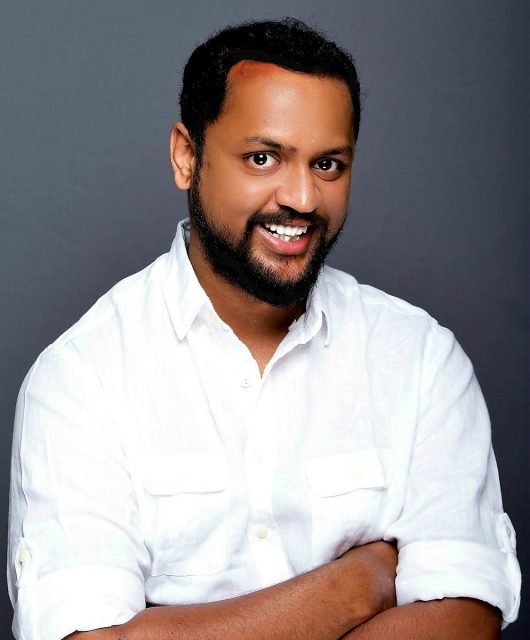
Dubai’s Addiction to Momentum Is Its Best Kept Secret, By Platformance’s Hamza Madi
I recently planned a five week holiday in Lebanon. I came back after two.
It had nothing to do with Lebanon. I enjoyed every day of it. What brought me back early was something harder to explain to people who have never lived in Dubai: I missed work. I missed the energy of a city where there is always another meeting, another deal, another problem worth solving. I missed waking up with something to build.
That is when I settled on the word for it. Addiction feels right.
Anyone who has spent real time in Dubai knows the pace. It sits alongside London and New York for sheer velocity. Businesses move fast, opportunities open and close within weeks, and everyone around you seems to be building, scaling or chasing something. That pace is not for everyone, and I have watched talented people arrive here drawn to the idea of Dubai, only to find the constant expectation to perform harder to sustain than they expected. There is no shame in that. Cities suit different people differently, and Dubai asks a lot of the people who choose it.
For those of us who take to it, though, something else happens. The city stops feeling demanding and starts feeling like momentum you want to stay inside of.
Part of that, for me, comes down to where I work. I lead emerging markets and solutions at Platformance, an outcome-based marketing and technology company, and the environment shapes how the pace lands.
When the work itself is engaging, the same long days that would wear someone down start to feel more like a game worth playing than a job to get through. A new client, a new market, a number the team wants to beat: each one gives the pace a purpose. There is real pressure and no shortage of difficult decisions, but building something alongside people who are equally hungry for it changes how that pressure feels.
That combination, a fast moving city and work you care about, is what I think gives Dubai its real pull. It is not the skyline or the lifestyle, as much as both help. It is the sense that standing still is the unusual choice. There is always another idea worth chasing, which makes it easy to keep moving and surprisingly hard to slow down once you do.
That pull has a cost, and it is worth naming honestly. The same pace that sharpens people can also wear them down if they never step off it. Knowing when to disconnect matters as much as knowing when to push, and I would not hold Dubai up as a model for everyone without that caveat attached. The people who last here tend to be the ones who have found a rhythm between the sprint and the recovery, not the ones who treat the sprint as permanent.
I found that rhythm later than I would like to admit, and even now I notice how quickly a break in Beirut turns into restlessness for the office in Dubai. Five weeks became two, and I do not think that was a failure of the holiday. It was a sign of where the pull genuinely was.
Dubai will not suit every working style, and it should not have to. But for those who thrive on momentum and who have found work worth being addicted to, this city is close to the perfect setting for it. I came back after two weeks not because I was running from something, but because I was ready to get back to the game.
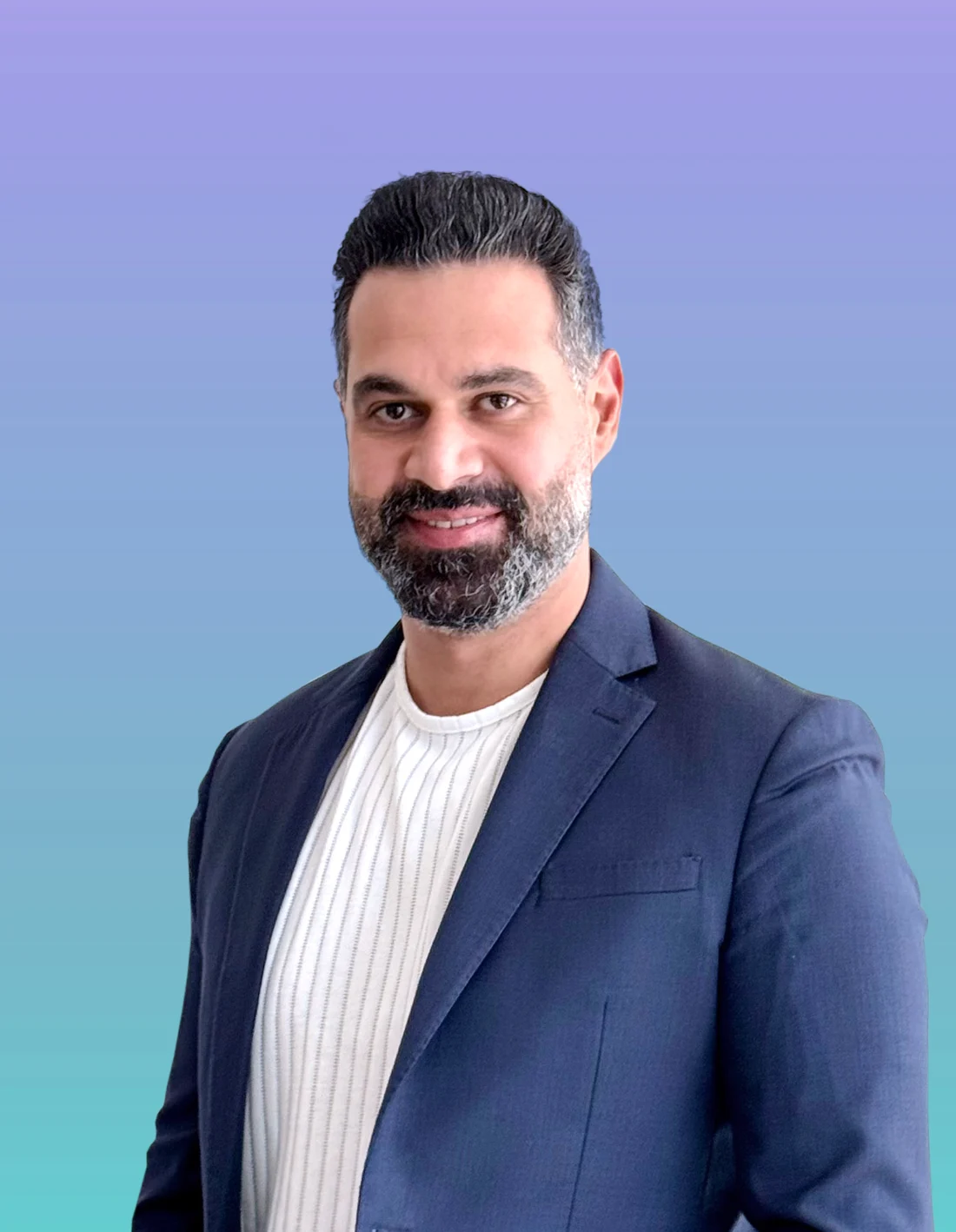
Hamza Madi is General Manager, Emerging Markets and Solutions, at Platformance.