The Wonder Women of MENA: VML’s Amale Dagher
Still Here. Still In It.
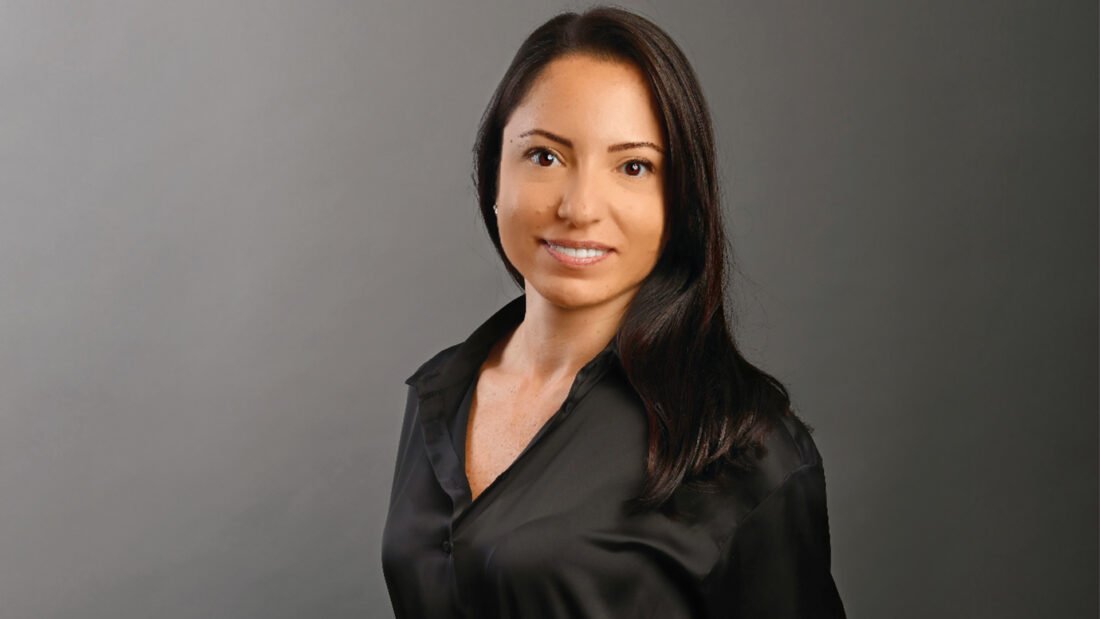
I did not plan to end up in HR.
A year after university, I joined the HR department of a bank in Lebanon almost by accident. A few months in, I could name all 800 employees across 12 branches, without checking a single record. I knew where they worked, what they were going through, what mattered to them. That was my first sign: I was exactly where I belonged.
Seventeen years later, I am still here.
Somewhere along the way, I realized that the work I cared most about — the conversations that stayed with me, the problems I could not stop thinking about — always came back to people. Not a strategy in the abstract. Specific people, in specific moments, who are trying to figure out how to move forward.
That is still what gets me out of bed.
Today I lead people strategy for VML MENA, a region that is genuinely difficult to describe to someone who has not worked here. The ambition is real. The pace is real. The complexity — cultural, generational, political — is unlike anywhere else. And the talent here is seriously underestimated by the rest of the industry, which honestly works in our favor.
But the job is not really about the region. It is about the individual.
I still remember calling a candidate ten years ago to tell him he had gotten an offer and would be relocating from Beirut to Dubai. I still remember his excitement, someone who had spent months waiting for one person to give him a chance to prove himself. Today, he is one of the most respected people in his agency, known for his work ethic and commitment. Those moments are why I do this.
The values I keep returning to are empathy, courage, and generosity. But I want to say something honest about each one, because they get used so loosely, they have almost lost their meaning.
Empathy is not warmth. It is not being nice. It is genuinely trying to understand how someone experiences a situation you have never been in. In MENA, that means navigating an enormous range of cultural backgrounds and life circumstances, often within a single team. Assuming you understand when you do not is one of the most common leadership failures I see, and one of the most damaging.
Courage is the one I think about most. The version that gets celebrated — bold decisions, big moves — is actually the easier kind. The harder version is the conversation you keep finding reasons to delay. The feedback that will be uncomfortable to give. The moment when you know what the right call is, but it is going to cost you something. That is the courage that actually defines a leader. And courage without empathy, I have learned, is just stubbornness with better PR.
Generosity has surprised me most. I used to think of it in terms of formal mentoring. But the generosity that has actually shaped careers, mine and others, is smaller and more consistent than that. It is the time you give when you genuinely do not have it. The credit you share when you could have kept it. The door you open before anyone asks.
That is what “Give to Gain” means to me. Not as a strategy — when it becomes a strategy, people feel the calculation, and it stops working. But as a way of leading. The things that end up mattering most in a long career are almost never the things you held onto. They are the things you gave away.
To the women coming into this industry: your voice matters earlier than you think. Earlier in my career, I used to sit in meetings and stay quiet, even when I disagreed. I did not think my voice could make a difference. I was wrong.
Lead with empathy and do not let anyone convince you it is soft. Empathetic leaders consistently build teams that want to stay and deliver. That is not sentiment. That is business.
I hope what I leave behind is not a program or a policy. It is people who felt, at some point, that someone genuinely had their back, and who went further than they thought they could.
That is what someone gave me, once.
It is the only thing worth passing on.