- Unlike English or French, Arabic is a vast linguistic ecosystem, rich, layered, and deeply tied to identity
- If the AI tool produces content in Modern Standard Arabic, it may sound stiff or out of touch with younger audiences who are more accustomed to colloquial expressions
- AI-generated Arabic cannot yet capture the full pulse of a local culture. For brand voice, this is a critical gap
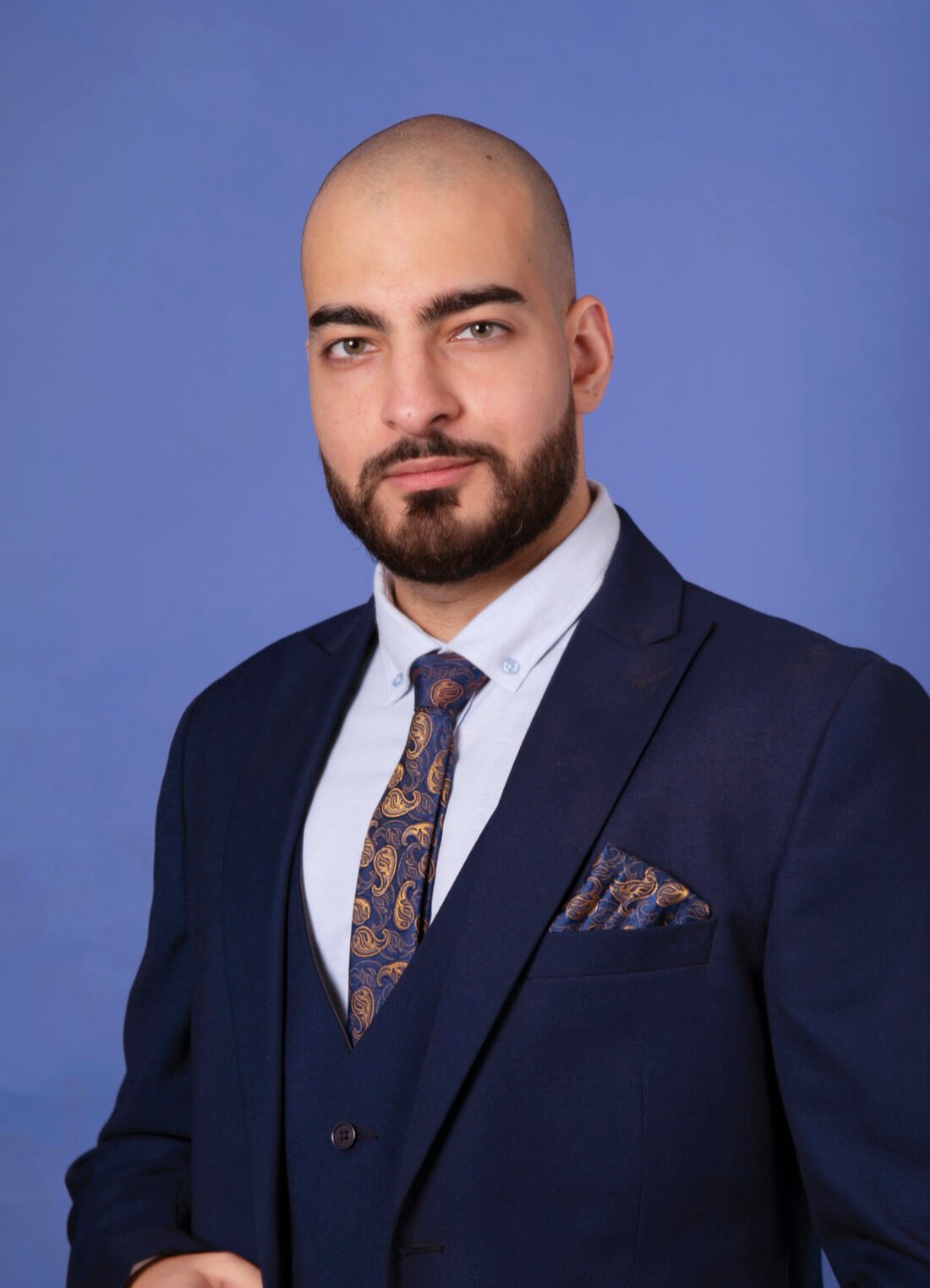
Raed Jafar, Public Relations Executive, Keel Comms
Artificial intelligence has quickly gone from a futuristic concept to an everyday reality in the world of communications. According to the 2025 Comms Report, which surveyed 300 industry professionals in the US and Canada, 75% of communications professionals are confident in their organization’s ability to harness AI, and 37% already use generative AI to review or refine content. While the industry might not be at the exact same level in the MENA region, it is clearly uncovering new benefits and applications of AI in the PR sector. Generative AI, in particular, is reshaping how we write, translate, and even imagine brand stories. From press releases to social media content, the tools now at our disposal are powerful enough to accelerate tasks that used to take hours, if not days.
With Arabic comes new norms
All of this AI haven makes sense when we operate in the English-speaking world. But when we shift the conversation to Arabic, the picture becomes far more complex. Unlike English or French, Arabic is a vast linguistic ecosystem. Across the Middle East and North Africa, Arabic exists in classical form, Modern Standard Arabic, and dozens of regional dialects. These dialects carry cultural codes and emotional depth that even native speakers outside the region sometimes struggle to decode. This complexity is what makes Arabic both beautiful and challenging, and it is also why generative AI tools often stumble when trying to engage Arabic-speaking audiences.
Why AI still struggles with Arabic
Generative AI tools, largely trained on English data, struggle with non-native languages like Arabic, leading to biases, inaccuracies, and culturally inappropriate outputs. Based on a recent UN-ESCWA report, English dominates internet content, accounting for 50–70% of it, while Arabic represents less than 1%. As a result, AI models often reflect English-centric values, even in multilingual contexts. This ‘one-size-fits-all’ bias risks imposing limited worldviews, creating discriminatory outcomes across different industries, namely PR.
Consider a brand trying to launch a campaign in the Gulf. If the AI tool produces content in Modern Standard Arabic, it may sound stiff or out of touch with younger audiences who are more accustomed to colloquial expressions. If it attempts a dialect but mixes in unfamiliar terms, the message risks alienating or even confusing its audience. In PR, where clarity and relatability are non-negotiable, this is a reputational risk. A single poorly translated phrase can undo months of careful brand building, especially in a region where words carry cultural and sometimes even political weight. Generative AI are for sure receiving more training in Arabic and results are becoming more reliable, but cannot tick all the boxes yet.
Finding the right balance
This does not mean that AI has no role to play in PR. On the contrary, it is already transforming the way we work. Drafting press releases, analyzing media coverage, personalizing communication at scale, all of these are areas where AI is offering efficiency and speed. But when it comes to Arabic, the human element must remain front and center. Cultural intelligence, local expertise, and sensitivity to nuance are essentials. Imagine an AI system generating a first draft of a press release in Arabic. Instead of publishing it as-is, PR professionals must refine it, adjusting tone, dialect, and cultural context, before it reaches the audience. This hybrid model ensures efficiency without sacrificing authenticity.
What this means for brands in the MENA region
With this said, businesses must bear in mind that technology can amplify your voice, but it is cultural fluency that earns you trust. Brands operating in the Middle East should resist the temptation to rely blindly on AI outputs, especially when reputation is at stake. Instead, they should build communication strategies that integrate AI as a tool, not a replacement, for human creativity and local knowledge. An authentic campaign can boost customer loyalty, strengthen reputation, and ultimately drive growth. Yet, a message that is tone-deaf can have the complete opposite effect, damaging brand equity in ways that are hard to repair.
As AI technology evolves, Arabic will definitely be better represented in global datasets, especially with regional research centers investing at different levels to make this happen, and we will see tools capable of handling dialects with greater sophistication. Until then, the responsibility falls on communicators and brands to bridge the gap.