
The Wonder Women of MENA: Accenture’s Samar AlAmro
Interpreting “Give to Gain”: A Leadership Philosophy Rooted in Purpose
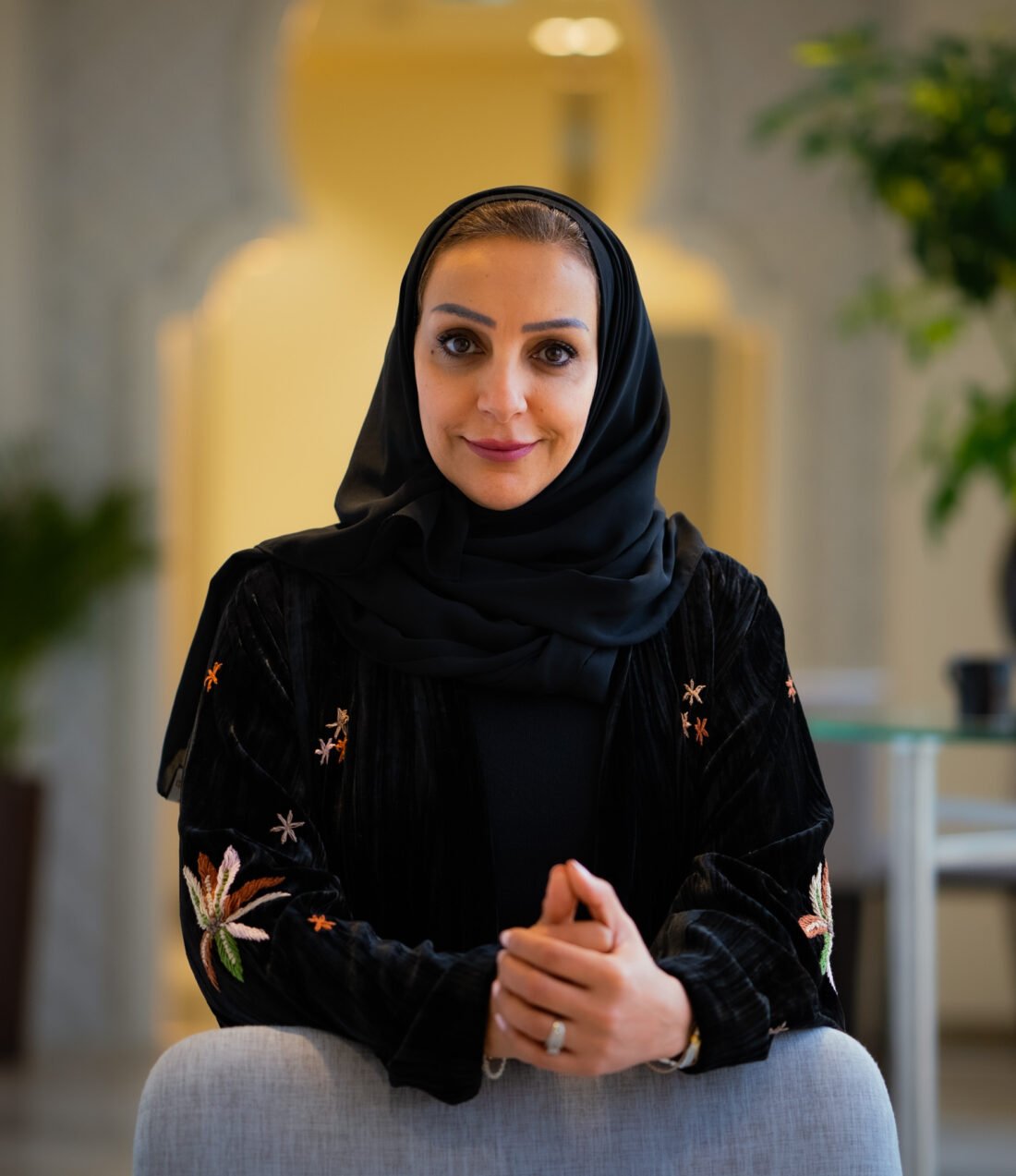
For me, ‘Give to Gain’ means leading with generosity—of knowledge, trust, and opportunity—without keeping score. I’ve learned that when you invest in others intentionally, you don’t just enable their growth; you create environments where collective success becomes sustainable. The real gain is not transactional—it’s trust, impact, and a legacy that extends far beyond individual achievement.
“Give to Gain” is not a slogan—it is a way of leading, shaped by experience and by the quiet understanding that sustainable success is never achieved alone. Over the course of my career across public institutions and global enterprises, I have learned that the most meaningful progress comes from investing in people, strengthening systems, and creating space for others to thrive.
Much of my work has focused on translating strategy into execution in complex environments—where service quality, operational discipline, and long‑term sustainability must coexist. In these settings, leadership is rarely about visibility or authority. It is about enabling others to do their best work. Giving, in practice, often means offering clarity when there is uncertainty, building structures that support accountability, and trusting teams with real responsibility. When people feel empowered, performance follows.
Earlier in my journey, working closely with great leaders shaped my view of influence. I learned quickly that authority alone does not create momentum—relationships do. Progress came from listening before acting, from sharing accountability rather than guarding control, and from inviting collaboration even when it slowed things down initially. By giving trust and transparency, I gained credibility. By giving space for dialogue, I gained stronger partnerships. And by giving others ownership, I gained teams capable of navigating change with confidence.
As my scope expanded, so did my sense of responsibility—not only for outcomes, but for integrity, governance, and long‑term value. Some of the most important leadership moments are invisible ones: choosing principle over convenience, prioritizing sustainability over speed, and protecting people and trust when pressure is high. In those moments, “Give to Gain” is about restraint as much as action. The gain is not recognition; it is resilience.
This philosophy has also reshaped how I think about generosity. Giving does not mean overextending or diminishing oneself—a lesson particularly relevant for women. True generosity is intentional. It has boundaries. Effective leaders mentor without micromanaging, support without enabling dependency, and advocate without losing their own voice. This balance is what allows leaders to remain grounded, credible, and effective over time.
Beyond organizational roles, my engagement in sustainability and responsible business initiatives reflects a belief that leadership extends into the broader ecosystem. When institutions act responsibly, society benefits—and when society is stronger, organizations are more resilient. Here, “Give to Gain” takes on its fullest meaning: collective progress over individual gain.
On a personal level, this philosophy has reframed how I define success. Real gain is not measured in titles or milestones, but in people who grow because they were trusted, in teams that succeed because they felt safe to contribute, and in systems that endure because they were built with care. It is found in what continues long after individual achievements fade.
To the next generation of women leaders—especially on International Women’s Day—my message is simple: lead generously, but with intention. Share what you know. Create space for others. Lift as you climb, without losing yourself along the way. Women often give instinctively—time, energy, and care—sometimes at their own expense. True leadership power lies in generosity with boundaries: mentoring without micromanaging, supporting without overextending, and advocating for others while keeping your own voice clear and strong.
The returns may not always be immediate, but they are enduring. When we give with purpose, we gain far more than individual success—we help shape a future that is stronger, fairer, and more sustainable for everyone.