Signals For 2026: Tishtash’s Natasha Hatherall
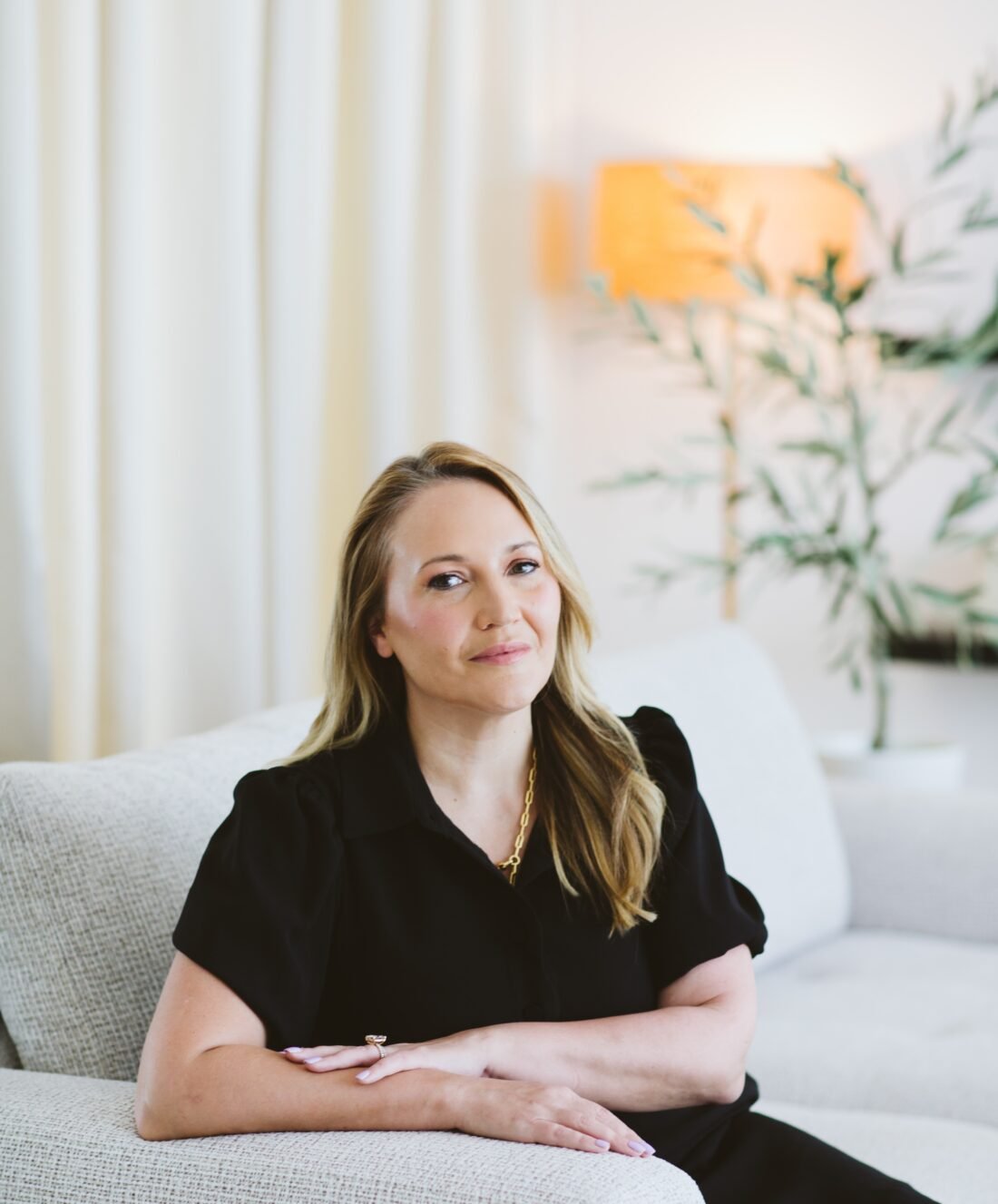
By: Natasha Hatherall: Founder and CEO, Tishtash
2025 was a turbulent and at times, an unpredictable year for the media and PR industry. It was marked by lots of change, rapid shifts in audience behaviour and increasing pressure on traditional models. The most defining lesson to emerge for me was that scale no longer guarantees relevance. In an increasingly crowded landscape, broad, one-size-fits-all media struggled to cut through, while platforms with a clear identity, voice and purpose strengthened their influence.
Audiences became more selective about what they consumed and where they invested their attention. Engagement was no longer driven by volume, but by connection and trust. Media brands that understood their community, and served it with consistency, authenticity and cultural relevance, performed far better than those chasing mass appeal. The year reinforced that loyalty is built through depth, not noise.
From a business perspective, 2025 also forced a recalibration. Growth was rarely linear and agility became essential. In my experience, leaders had to make sharper decisions, focus on fewer priorities, and accept that resilience often comes from knowing exactly who you are speaking to – and who you are not. Ultimately, 2025 reminded the industry that clarity and credibility are the foundations of sustainable success.
// One Bold, Grounded Prediction for 2026
While 2026 I personally feel may not be the most buoyant year economically, I believe it will be far more stable and strategically important for the media industry. My bold but grounded prediction is that niche publishing and community-led platforms will continue to outperform traditional, broad-reach media, particularly in the Middle East.
Audiences are increasingly seeking highly tailored content that reflects their lifestyles, values and lived experiences. We are already seeing this play out with independent platforms such as SheerLuxe and Raemona – outlets that have found clear positioning, built strong communities and, crucially, commercialised effectively. In 2026, I expect to see more niche media launches following this model.
Community will remain central to growth. Micro and nano communities built around specific interests, life stages and cultural identities are overtaking broad messaging in both engagement and trust. Groups such as British Mums, Real Mums, That Dubai Girl, Women Who Thrive and The Big Beauty Scoop will continue to grow, evolve and deepen loyalty, becoming increasingly influential for brands.
Traditional media will also continue to transform. Many legacy publishers will further reduce print or reposition it as a premium product, while digital subscriptions, newsletters and curated branded content become core revenue drivers. The line between earned and paid media will blur even further, requiring agencies, brands and publishers to rethink their roles and partnerships.
The future of media in 2026 will not belong to the loudest voices, but to those that are focused, authentic and community-driven – platforms that understand their audience and serve them with purpose.