Signals For 2026: M42’s Mazar Masud
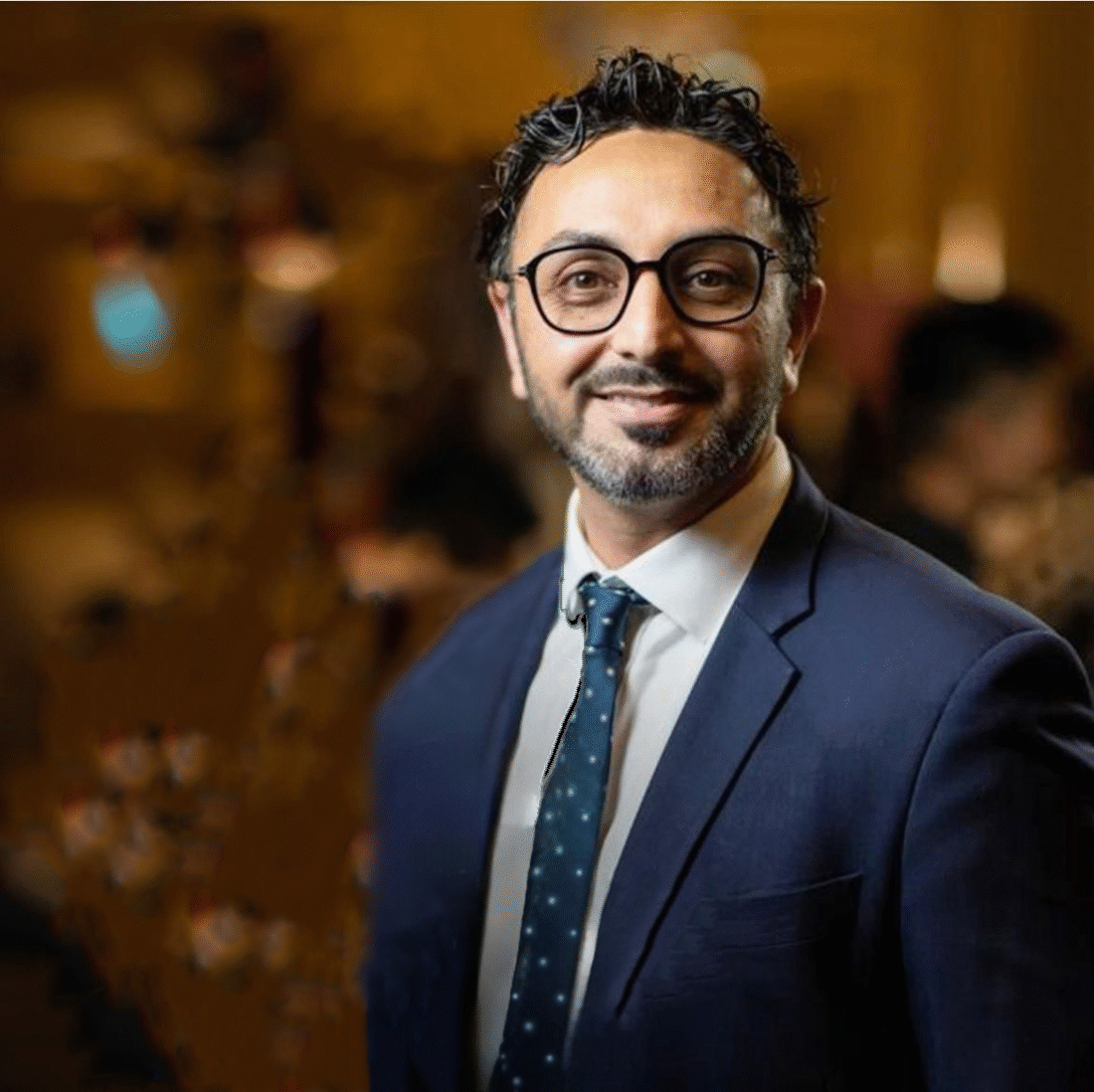
By: Mazar Masud: SVP, Corporate Affairs, M42
The defining lesson of 2025: Trust became strategic infrastructure; in 2026, communicators becoming ecosystem architects
2025 marked the moment that public and private institutions realised the value of trust in shaping local, regional and global progress. Those that prioritised narrow self-interest saw their influence diminish; those that contributed meaningfully to shared outcomes strengthened it.
This phenomenon was witnessed all over the world, playing out in the Middle East too. Focusing on the UAE, it moved decisively from being discussed as “emerging” to being relied upon as essential, bringing together capital, capability and conviction to address challenges that extend far beyond its borders.
What distinguished the UAE was the maturity with which it executed its ambition. Across finance, technology and healthcare, the country demonstrated an ability to convene diverse actors, invest with intent and translate innovation into real-world impact. In doing so, it strengthened its position as a trusted global partner that seeks and finds solutions.
The defining lesson of 2025 was that influence at this level depends on trust. In a year shaped by geopolitical volatility, economic recalibration and rapid technological acceleration, trust emerged as the most valuable form of currency in global engagement. It had to be built deliberately through consistency, transparency and genuine collaboration across borders and sectors.
This was evident in the rise of artificial intelligence (AI). As AI moved from experimentation to deployment, the way it was communicated proved as consequential as how it was developed. Responsible communication played a decisive role in framing AI as a tool that augments human activity and discovery, such as in health, rather than an existential threat. But, it also acknowledged the unresolved challenges that must be addressed. Progress in regulation has not kept pace with innovation, access to AI’s benefits remains uneven and fragmented ecosystems continue to limit its potential. These directly shape public confidence and determine whether technology delivers shared benefit or deepens divides.
In 2026, as these tensions intensify not only in AI but across geopolitics, climate and economics, the role of communicators will be elevated from narrators to integrators.
The most effective communications leaders will operate as ecosystem architects – part strategist, part technologist and part storyteller. They will translate complexity into strategic clarity; exercise human empathy and behavioural science, while immersing themselves in technology and AI; and, be honest, authentic and therefore imperfect in telling stories. Communicators will be expected to convene across sectors, cultures and disciplines. Their mandate will extend beyond shaping narratives to helping engineer the conditions for responsible progress: advocating for inclusive frameworks, encouraging collaboration and ensuring innovation serves the common good. Why? To align diverse, sometimes incompatible, stakeholders; build trust at scale for meaningful change; and create connected, cross-border ecosystems to serve humanity.