Signals For 2026: GymNation’s Rory McEntee
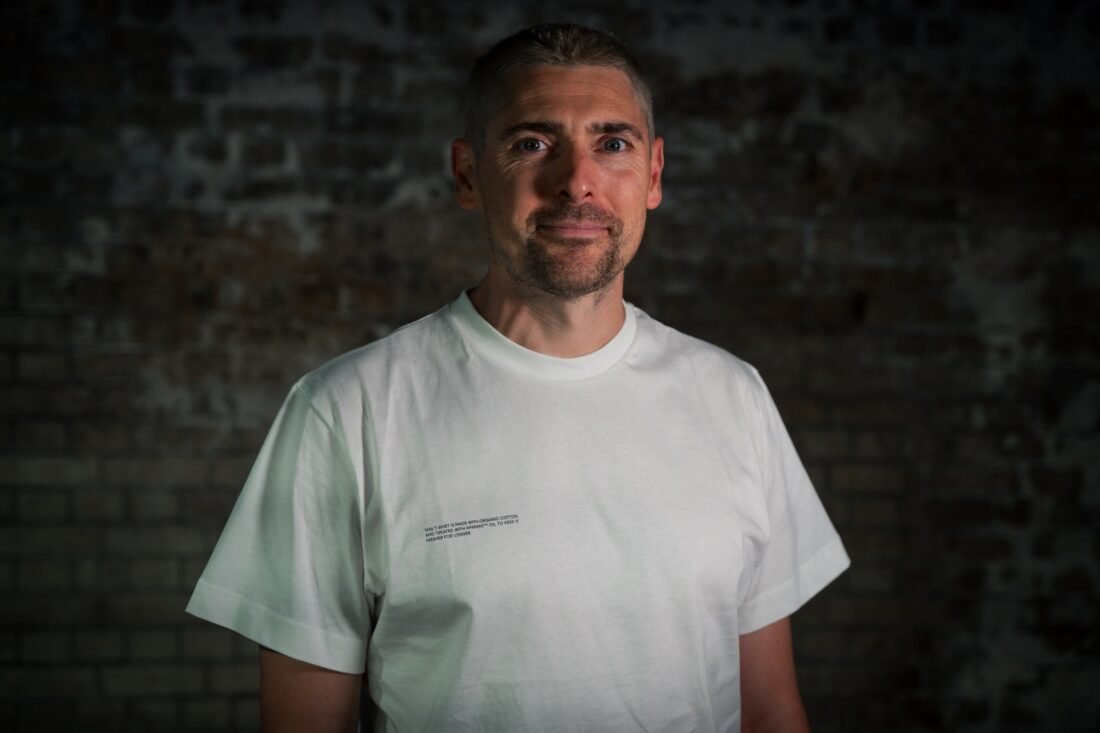
By: Rory McEntee: CMO, GymNation
If 2025 taught me one defining lesson as a marketer, it’s this: attention is no longer something you buy – it’s something you earn repeatedly.
For years, marketing playbooks have been built around scale: bigger budgets, broader reach, louder messaging. In 2025, that model finally broke under its own weight. Audiences became immune to polished ads, algorithmic hacks lost their edge, and brand loyalty stopped being a given. What replaced it was far more uncomfortable – and far more powerful: brands had to show up like real people.
At GymNation, we felt this shift firsthand. The most effective campaigns weren’t the most expensive or the most visually impressive. They were the ones that sounded human, took a point of view, and reflected the lived reality of our members. Content that acknowledged the grind. Messaging that didn’t pretend fitness was easy. Humor that felt local, not global. When we leaned into honesty over perfection, engagement didn’t just rise – it stuck.
The biggest unlock in 2025 was realizing that brand is no longer a layer on top of performance marketing; it is performance marketing. The lines blurred completely. Our best-performing ads looked less like ads and more like conversations. Our strongest acquisition drivers came from moments where we were willing to be opinionated – about pricing transparency, gym intimidation, or industry nonsense that members were tired of.
Another critical lesson was speed. Not just speed to market, but speed to relevance. Cultural moments moved faster than approval chains, and the brands that won were the ones that empowered teams to act, not ask. In 2025, perfection became the enemy of momentum. The brands that waited to be “ready” were invisible by the time they launched.
My bold but grounded prediction for 2026 is this: In 2026, people won’t choose brands just for what they offer, but for how they make them feel.
We’re entering a phase where consumers are no longer looking for brands to impress them; they’re looking for brands to include them. Transactional relationships are being replaced by participatory ones. In 2026, marketing won’t just be about telling stories – it will be about creating spaces where stories happen.
In fitness especially, this shift will accelerate. Gyms won’t compete purely on equipment, price, or location. They’ll compete on identity. People won’t ask, “Which gym is cheapest?” They’ll ask, “Which gym feels like my gym?” The brands that win will be the ones that act less like corporations and more like platforms for belonging.
From a marketing perspective, this means a fundamental reallocation of effort. Less spend on one-way messaging. More investment in two-way ecosystems – member-generated content, local activations, micro-influencers who are actual customers, not rented faces. The strongest brands in 2026 will blur the line between marketing and operations because every touchpoint will be marketing.
I also believe we’ll see a backlash against over-automation. AI will absolutely power efficiency, but brands that outsource their entire voice to algorithms will sound hollow. The winners will be those who use technology to scale authenticity, not replace it. Human-led brands, supported by smart systems – not the other way around.
For GymNation, and brands like it, 2026 is about doubling down on what can’t be copied: culture, tone, conviction. Anyone can match pricing. Anyone can replicate features. But not everyone can build a brand that members defend, joke about, and proudly associate with.
Marketing in 2026 won’t be about shouting louder. It’ll be about standing for something clearly enough that the right people choose to stand with you. And in a market full of noise, belonging will be the ultimate competitive advantage.