Signals For 2026: Gambit’s Showkat Nabi Rather
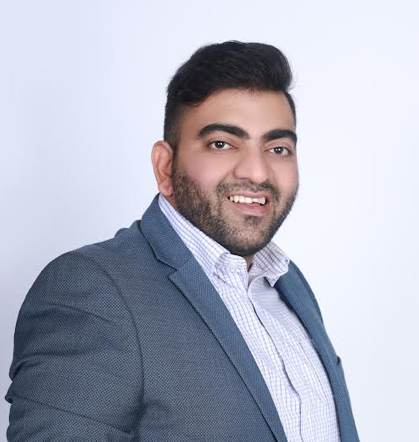
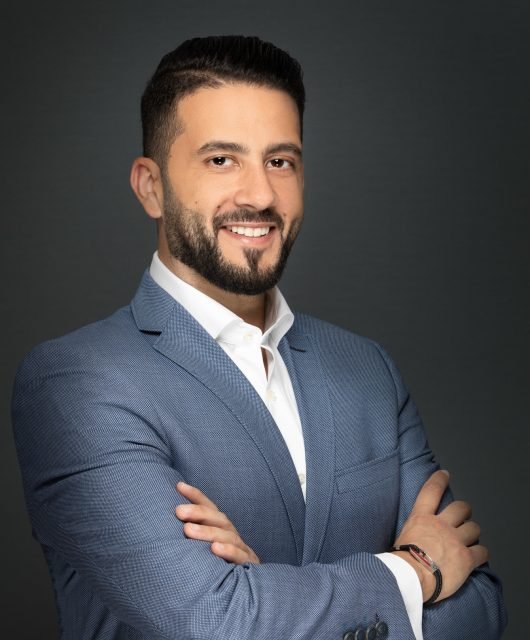
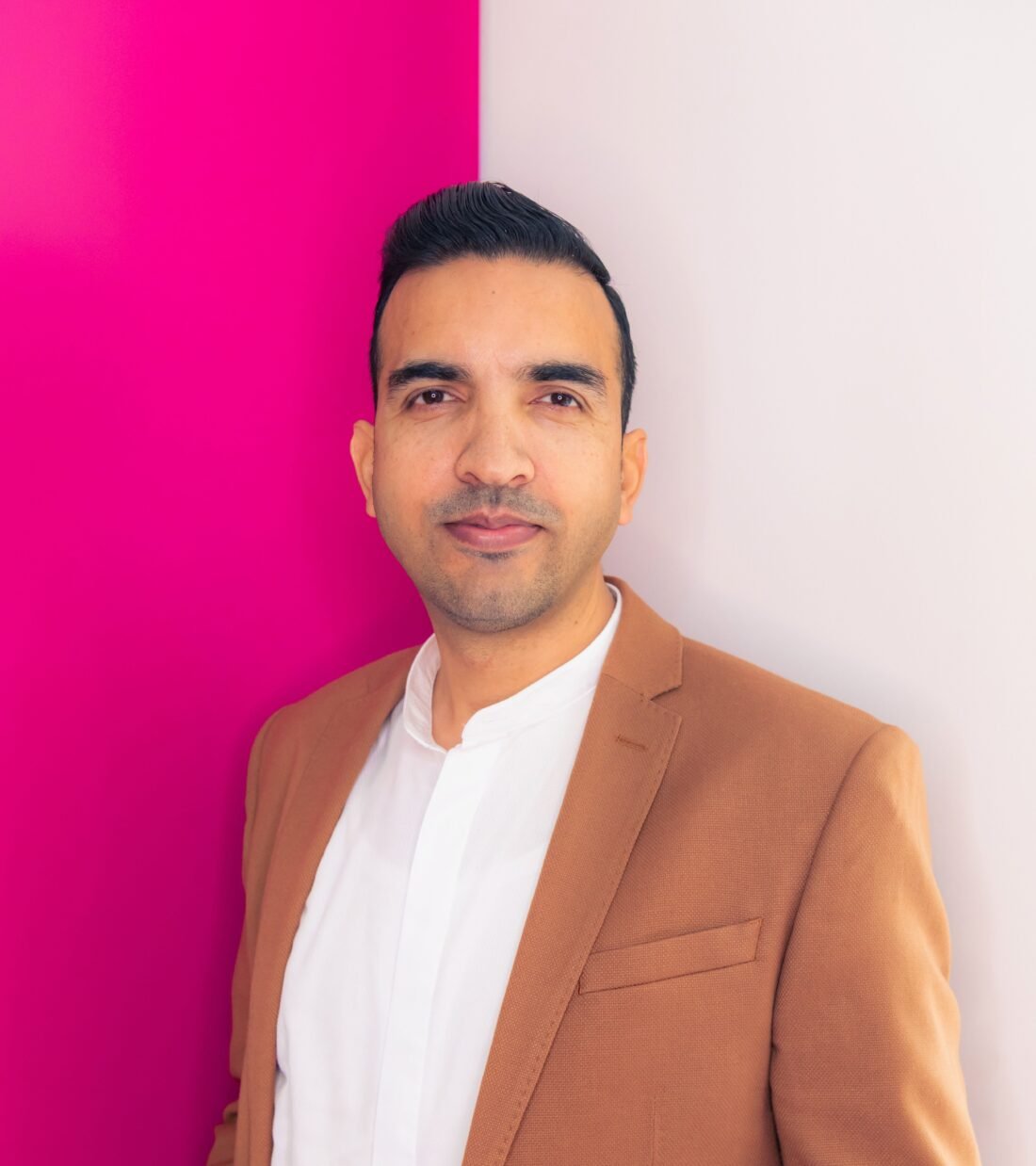
By: Showkat Nabi Rather: Assoc. Account Director, Sustainability & ESG Comms, Gambit PR & Communications
I think the 2025 reiterated that credibility lasts much longer than noise and us as PR professionals now have a bigger role of not just providing strategic consulting or creating content but being curators of trust.
One of the biggest trends I noticed in the region, particularly in the UAE, was the rapid growth in markets such as real estate and AI, which made clients more demanding in getting attention and showing relevance. They want their brand or story to stand out and get noticed, and some have even taken major steps to rebrand their companies while feeling more competitive with existing and new players in the market. So the main focus for us was to make sure we communicated why a story mattered instead of simply trying to be the loudest.
Also, audiences and journalists are more selective now, and they quickly lose interest in content that doesn’t say anything meaningful. For example, broad statements and high-level commitments in subjects like sustainability are no longer sufficient unless you provide clear proof points and honest communication around impact. This is more important when you trying to get earned coverage.
Also, companies need to be more transparent to build trust in competitive and well-regulated markets like the UAE. This has helped both PR agencies and their clients share factual, evidence-based stories and improve their reputations.
We have also seen another important trend, which is the free access to AI tools, leading to their growing use for content creation, research, and insights. It might have increased efficiency to some extent but created a bigger issue to maintain credibility and justifying the real ROI. These concerns are echoed by multiple reports, including the 2025 PRCA MENA AI in PR Report, which cited that 39% of respondents expressed concerns about the reliability and accuracy of AI-generated outputs.
Looking to 2026 and beyond, I believe one of the biggest battles will be between content and credibility. With AI tools becoming more accessible and efficient, it will be even more challenging to authenticate content. In addition, new talent, particularly fresh graduates who rely heavily on AI tools, will need proper guidance and training, as heavy use of these tools can lead to reduced critical thinking, lower confidence, and weaker decision-making skills. This makes it essential for agencies and in-house communications teams to help young professionals use AI responsibly and develop stronger skills as they progress into more responsible roles.
Lastly, in fast-paced markets like the UAE, innovation, sustainability, and reputation building will continue to be key priorities for clients, and for PR professionals, a major differentiator will be credibility. I believe the future of PR belongs to those who are willing to adapt, embrace new tools and continue learning, while staying rooted in the fundamentals of good and ethical communication, which includes clarity, authenticity, and trust.