Signals For 2026: AnyMind Group’s Maha Mahdy
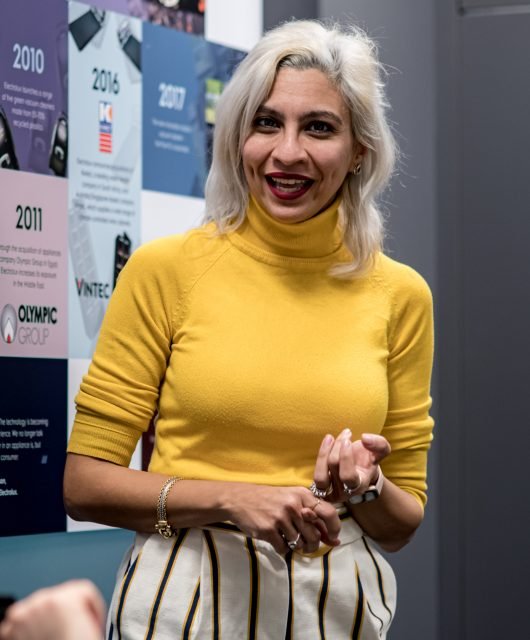
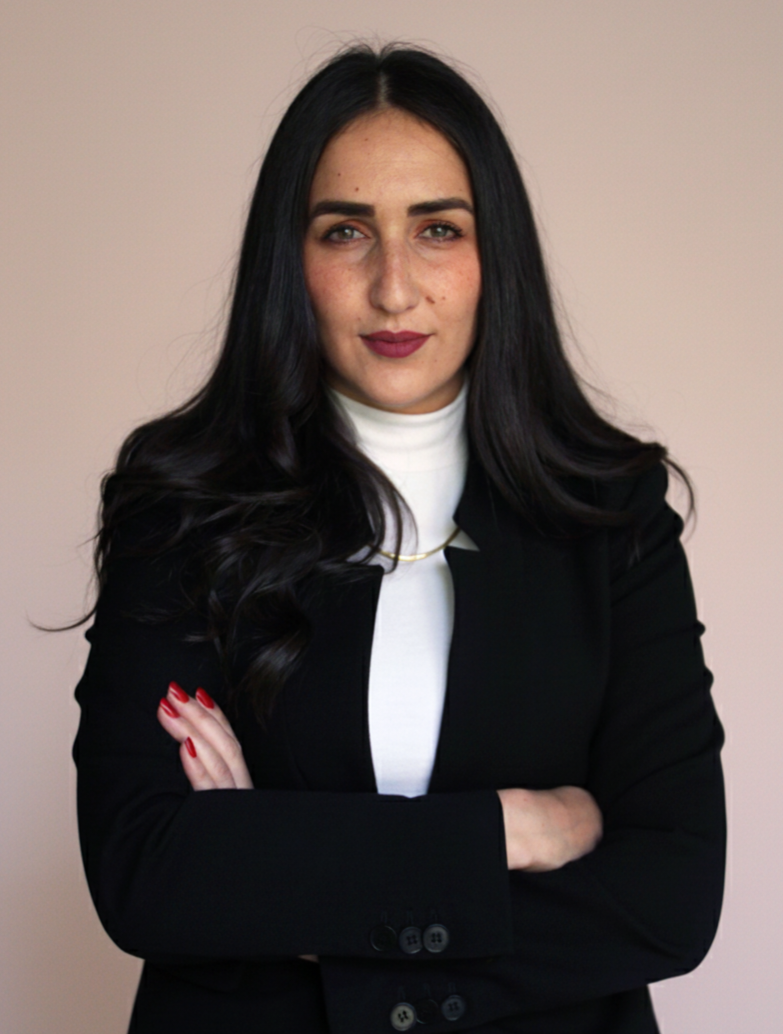
By: Maha Mahdy: Business Head, Content, Creator & Influencer Marketing Businesses MENA, India and Emerging Markets, AnyMind Group
From Influence to Infrastructure: How MENA’s Creator Economy Grew Up
2025 was the year the creator economy in MENA stopped being forgiving.
For a long time, influence carried weight on its own. Reach, relevance, and a strong audience relationship could take a creator far. Brands were experimenting, budgets were flowing, and the market rewarded visibility. That dynamic shifted this year.
What became clear in 2025 is that influence without structure does not scale, and it does not hold up under pressure.
On the creator side, the gap widened quickly. Creators who treated their work like a business pulled ahead. They built systems around content instead of relying on momentum. They invested in teams, understood their data, priced their value properly, and made deliberate decisions about which partnerships were worth taking. Others felt the squeeze as virality became unpredictable and campaign income less consistent.
Discipline was the real differentiator. Discipline in focus, in output, and in commercial decision-making. The creators who won in 2025 were not everywhere at once. They were consistent, selective, and intentional.
On the brand side, 2025 marked a shift in strategy, not just expectations. Many brands moved away from relying on a single creator or hero campaign and started building more layered creator strategies. We saw brands deliberately working with multiple creators across categories, platforms, and audience segments, with each creator playing a specific role and delivering tailored content to different communities rather than repeating the same message at scale.
This approach allowed brands to test formats, speak to niche audiences more credibly, and build frequency without fatigue. It also forced better planning, clearer briefs, and stronger alignment between content, platform, and objective. Brands that invested in this level of structure saw far more consistent results than those chasing isolated moments of reach.
In a region like MENA, where audiences are diverse and culturally nuanced, this shift mattered. Creator marketing moved from trial-and-error into something far more intentional.
The core lesson from 2025 is simple but decisive. Influence creates attention. Structure determines whether that attention turns into impact.
2026 Prediction: Creators Become Operating Models
In 2026, the creator economy in MENA will move from collaboration to integration.
Creators will increasingly be treated as operating models, not just partners. We will see more creators co-owning brands, launching serious D2C businesses, building live commerce capabilities, and developing IP that can scale across platforms and markets. Not as ambassadors or campaign faces, but as embedded partners with ownership, accountability, and long-term upside.
At the same time, brands will stop thinking in isolated campaigns. Instead of asking which creator fits a brief, they will focus on how to plug into creator ecosystems that already have trust, distribution, and cultural relevance built in. The most effective brand strategies will start to resemble portfolio thinking, with creators playing different roles across awareness, conversion, and retention.
Technology will accelerate this shift, but it will not define it. AI-assisted production, virtual personas, and live formats will make scale easier, but they will not replace credibility. The creators who succeed will be the ones who use technology to amplify what already works, not to compensate for what does not.
What will matter most in 2026 is operational maturity. Creators who understand structure, pacing, and audience trust will outgrow those chasing constant visibility. Brands that align with creators at a strategic level will outperform those still optimizing for reach alone.
The creator economy in MENA is entering its next chapter. And in that chapter, ownership, structure, and long-term thinking will separate momentum from scale.