Homegrown Influence: How Regional Voices Are Redefining Audience Engagement
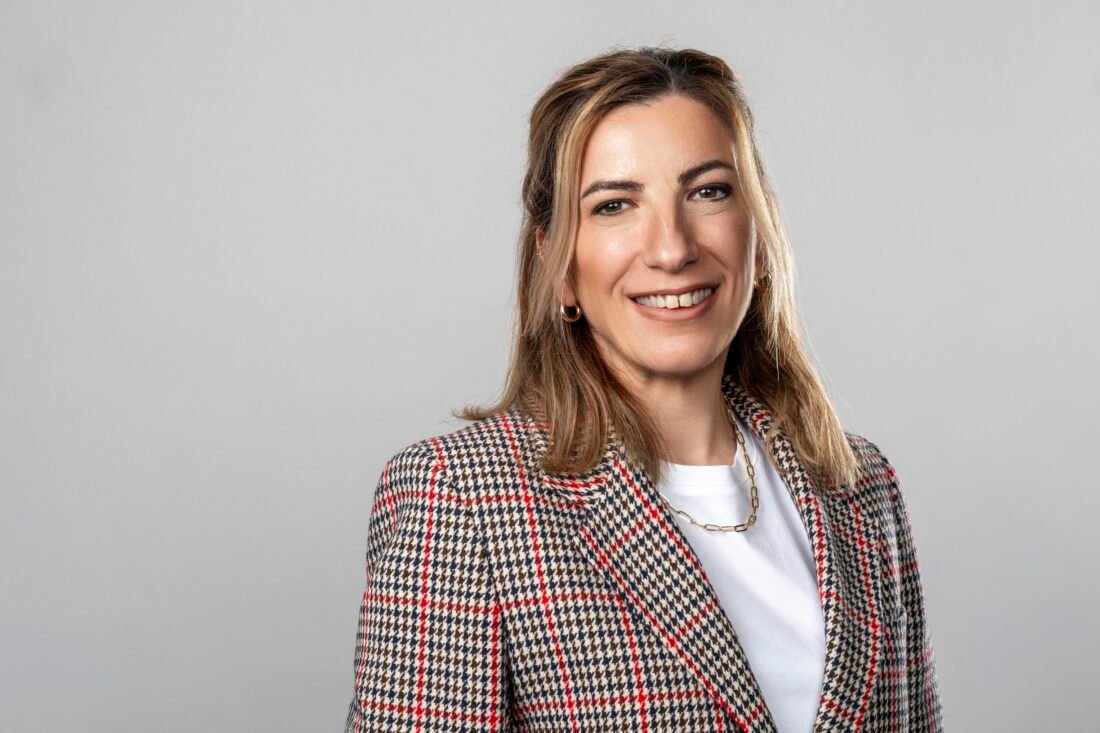
By Zumrut Pakoy – Programming & Presentation Director MENA, Turkey, Greece & Cyprus at Warner Bros Discovery
One of the most interesting shifts we continue to observe across the region is how audiences are gravitating toward content that feels anchored in their everyday reality. It is no longer a question of choosing between global entertainment and local storytelling; people still enjoy both. But what is changing is their expectation that the content reflects the world they actually live in. When that happens, engagement becomes more instinctive.
We saw this very clearly in our recent Gumball launch across the region. While it is a global IP with a massive international fanbase, the resonance came from how we introduced it locally through Arab creators and influencers who genuinely reflect the humour, tone, and culture of our audiences. Their presence wasn’t a tactical layer but a strategic choice: they speak the language of our viewers, culturally and emotionally. And because of that, the content travelled further and more organically than traditional push-led visibility could ever achieve.
This pattern is visible everywhere online. The creators who truly move conversations forward are the ones who understand the small details that define life in the region. The tone of a greeting. A familiar family dynamic. A shared frustration everyone laughs about. These moments stand out not because they are loud but because they are true.
This rise in culturally grounded storytelling doesn’t replace the power of global content, it enriches it. Global formats give us shared moments at scale, while local voices bring those moments closer to home. When the two work together, audiences feel both represented and connected.
From Representation to Resonance
In MENAT, media consumption has become fragmented across platforms and formats. Attention is harder to hold, and the pace of content is faster than ever. In this landscape, relevance matters more than reach alone. And culturally fluent creators are offering something increasingly rare: moments people actually pause for.
This shift isn’t a trend; it reflects how people decide what to trust. Audiences respond to the familiar. They respond to content that feels sincere. And our region has become extremely good at detecting sincerity, people know immediately when someone understands their world and when they are simply approximating it.
This is where regional creators excel. They don’t have to decode nuance; they live it. Their humour lands because it comes from instinct. Their storytelling resonates because it reflects lived experience. And audiences respond because they see finally a version of themselves.
Across MENA and Turkey, representation has become more layered. People no longer want to just see themselves on screen; they want to feel understood. You see it when a creator uses a specific dialect and the comments section explodes because that moment feels personal. And equally, audiences disengage instantly when something feels off.
Authenticity and Culture as the Starting Point
Authenticity is no longer an added value, it’s the starting point. People do not reward content simply for being polished; they reward it when it feels honest. This is why the most effective brand and content partnerships today begin with cultural truth, not as an afterthought but as the foundation.
When creators and brands collaborate early, the work feels grounded. It mirrors how people actually speak, move, joke, and interact. Across the region, we’re seeing creators reshape how influence works: a Saudi animator turning daily life into sharp social commentary. A UAE duo capturing tiny, familiar exchanges. A Lebanese creator blending nostalgia with modern storytelling. They aren’t just producing content; they are shaping cultural conversations.
And when global content meets these local voices, impact changes. Global IP provides the structure and scale. Local creators add context and meaning. The strongest ecosystem is the one where both work in tandem, meeting audiences where they are, not where we assume they are.
Because when influence is rooted in the region, it doesn’t feel manufactured. It moves through communities naturally. It feels real. And it lasts.