The Vanguard 100: MENA’s Architects of Tech, AI and Innovation – Gartner’s Dalia Abi Mosleh
Dalia Abi Mosleh
Director of Technology, Gartner
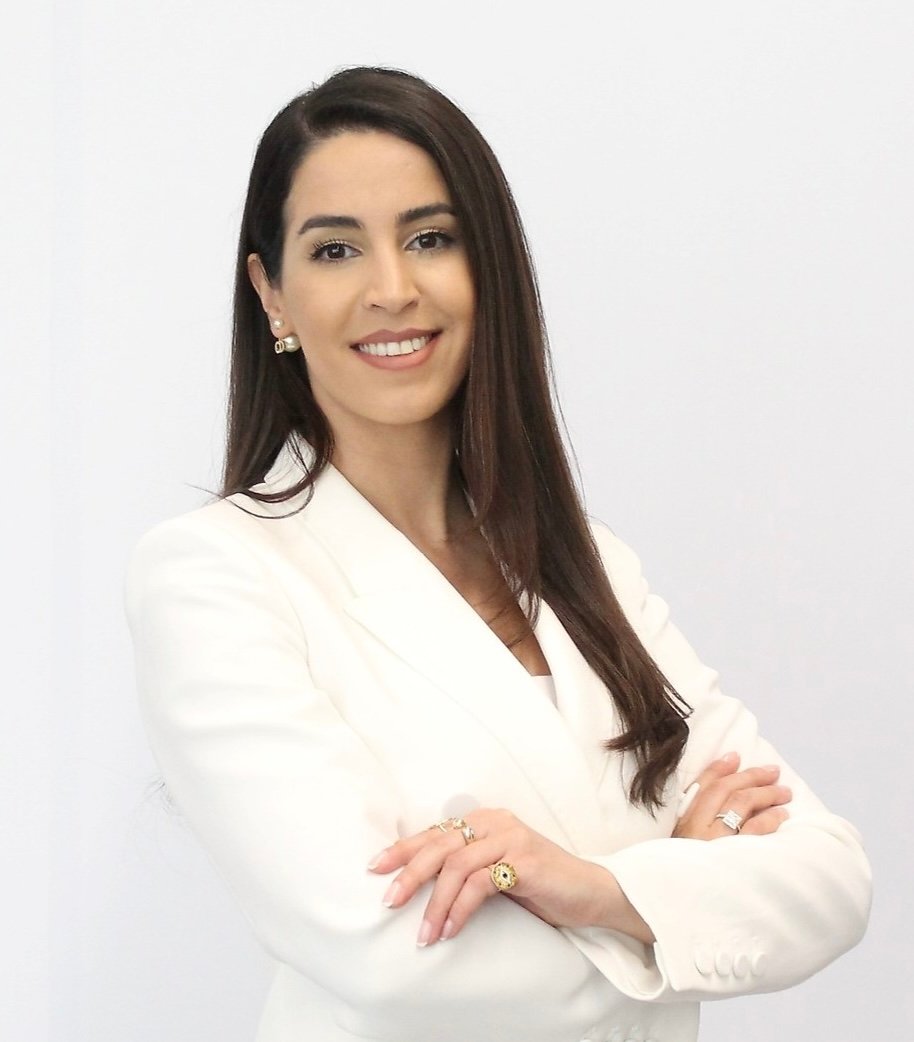
We asked Dalia Abi Mosleh, Director of Technology at Gartner, why leaders confuse AI investment with adoption, why governance and data readiness decide whether AI scales, and how AI sovereignty is shifting from owning data centres to controlling how AI is used.
BB: Gartner advises the region’s enterprises on technology strategy rather than building the technology itself. What’s the biggest misconception you encounter in your conversations with regional leaders about how AI adoption is actually progressing?
Dalia: The misconception I encounter most often is that leaders confuse AI investment with adoption. According to Gartner research, “80% of enterprise application leaders cite GenAI as a significant investment and top innovation priority, but only 14% of organizations are very confident that their data is AI ready.”¹
Leaders think deploying AI is about selecting the right vendor and allocating budget. In reality, it is about data governance, organisational redesign and governance maturity.
BB: Where do you see the biggest gap between how AI is discussed publicly in MENA and how enterprises are actually deploying it?
Dalia: The biggest gap is that public discussion in MENA often focuses on AI ambition, sovereign AI initiatives and cutting edge use cases, while enterprises are primarily focused on the practical challenges of scaling AI securely and delivering measurable business outcomes.
Gartner research forecasts that MENA AI services spending will reach around $9 billion by 2029, a compound annual growth rate of 17.7%.² Yet Gartner also estimates that “over 70% of AI agent projects will fail by 2029, despite aggressive deployment momentum.”³
Many organisations have moved beyond experimentation, but governance, data readiness, talent and operational integration remain the key barriers to deploying AI at scale.
BB: What’s a lesson from advising organisations across the region on technology strategy that you think even experienced leaders underestimate?
Dalia: One lesson is that AI is treated as an isolated technology project rather than an enterprise wide operating model transformation. When that happens, you get fragmentation and wasted investment.
AI success requires organisational alignment before technology selection. Leaders who underestimate this treat AI as a vendor problem. Those who get it right treat it as a transformation agenda.
BB: Looking at MENA’s technology and innovation sector as a whole, what’s the shift you expect to matter most over the next two to three years?
Dalia: If I had to pick one shift to watch, it is the evolution of AI sovereignty. In MENA, the focus is moving beyond owning data centres to having greater control over how AI is used, where data is processed and how it is governed.
As a result, organisations are shifting from simply buying cloud services to building AI capabilities that are secure, compliant and aligned with local requirements.