Seconds to Buy, Years to Earn: A Saudi National Day Conversation with Platformance’s Amjad Puliyali
To mark Saudi National Day, Brandberries sat down with Amjad Puliyali, General Manager of Platformance Saudi Arabia, to go through the findings in Platformance’s new report, How Saudi Buys in 2026: Seconds to Buy, Years to Earn. The report sets out a tension at the heart of Saudi consumer behaviour today: purchases are getting faster, while earning those purchases still takes years. It also carries one of the newest official reads on AI in the Kingdom, where adoption among internet users doubled in a single year to 45.2%.
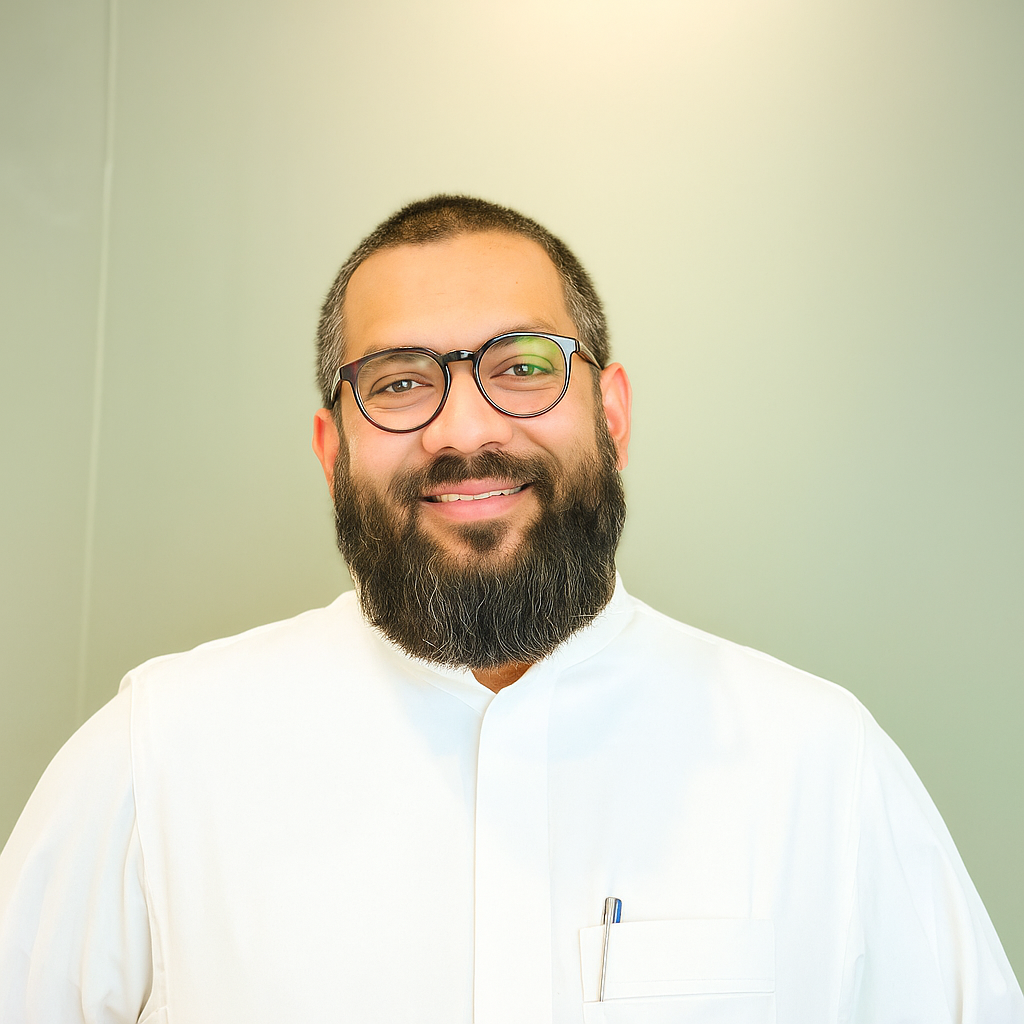
Brandberries: Saudi Arabia’s consumer journey has changed dramatically. What stands out most to you?
Amjad Puliyali: The speed, and I think people outside the market underestimate how far it has actually gone. Internet penetration is at 99.6%. Electronic payments reached 85% of retail payments in 2025. The phone has effectively become the shop.
What I find more interesting, though, is who built that speed. Think about what changed. Paying got easier. Delivery got faster. Commerce moved into the feed. Instalments made the decision smaller. Discounts started applying themselves. Four of those five happened outside what a marketing team traditionally controls.
So the customer goes through one journey, and inside the business there are five separate pieces, usually owned by five different teams. Closing that distance is where most of the value sits.
Brandberries: Your report opens with Reem making a purchase in 40 seconds. What is happening before those 40 seconds?
Amjad Puliyali: That is really the heart of it. The purchase takes 40 seconds. The decision took years.
Think about everything Reem already has before she opens the app. She knows the app. She trusts the payment. She expects the delivery to arrive when it says it will, and she knows the product does what she expects it to do. All the advertising, all the searching, all the comparing, that happened long before those 40 seconds.
So the speed is a reward. It is what the market gives you once you have done the slow work. The brands winning here are building the trust and the memory that make the final transaction feel obvious.
Brandberries: Does that mean every category is becoming a 40 second purchase?
Amjad Puliyali: It really varies by category, and this is the distinction I would want people to take from the report more than anything else.
Grocery, food delivery, repeat purchases, some fashion, yes, those can be decided almost instantly. Cars, property, healthcare and luxury work completely differently. The higher the stakes, the longer the journey tends to be.
Cars are the clearest example. Somebody walks into a showroom, decides in an afternoon, and the showroom records that as a fast close. Behind that afternoon there were three months of watching reviews, comparing finance, reading forums and visiting other dealers. Fast close, long journey. Those are two different things.
So the first question I would ask any marketer here is which journey they are actually playing in. Short journeys reward availability and ease. Long journeys reward evidence, reassurance and trust.
Brandberries: AI is now becoming part of that journey. What changes from here?
Amjad Puliyali: This is the one I would pay the most attention to, and the timing of it is what makes it interesting.
The Communications, Space and Technology Commission runs an annual survey of internet users here. In 2024 it put AI tool adoption at 21.5%. In 2025 it came back at 45.2%. That is a doubling inside 12 months, and it comes from the regulator rather than from a vendor.
The number I keep coming back to, though, is the next one down. When they asked people what they use these tools for, 80.8% said searching for information. That is the leading use by a wide margin.
Think about what that means for a brand. Traditional search gives you a page of options and you choose from it. AI gives you one answer, with most of the choosing already done. So the question used to be whether the customer chooses you. Now there is a question sitting in front of that one. Will the assistant mention you at all?
And this is something any marketer can check for themselves this week. Ask an AI tool the five questions your customers ask before they buy in your category, in Arabic and in English, and see whether your brand comes back in the answer. It takes 20 minutes, and you will learn more about where you stand than most brand trackers will tell you.
Brandberries: If speed is the outcome, what actually earns it?
Amjad Puliyali: Trust and memory. And here is the part I think gets missed. The faster the final purchase becomes, the more the work before it matters. That is the argument running all the way through the report.
It points to the familiar 60:40 balance between brand building and activation. And there is an Edelman finding in there that stays with you: 88% of people say trust in a brand matters when they are deciding whether to buy.
Creators are the best example of it. A creator can drive a purchase in minutes, and that moment is sitting on years of audience trust. What the evidence points to is that it is trust in the brand, as much as the appeal of the creator, that turns the content into a purchase. [AMJAD: one line here from what you actually see would lift this whole answer. Something like: in most of the briefs I see, the creator conversation is about reach and rate, and rarely about whether that audience already trusts the brand.
Brandberries: If you could leave Saudi marketers with one thought, what would it be?
Amjad Puliyali: Don’t confuse a fast purchase with a short journey.
Saudi Arabia has built one of the fastest everyday purchase environments anywhere in the world. That is something to be proud of. But the speed is sitting on years of trust, memory, experiences that worked, and technology that keeps getting easier to use.
So work out which one you are in. Is your category a seconds category, or a years category? Then build for that. The brands that keep growing in Saudi Arabia will be the ones willing to invest in both.