The Wonder Women of MENA: Ferrero’s Maya El Tabchy
I entered the world of corporate affairs 15 years ago as a young woman stepping into rooms where policy, reputation, and business continuity were being shaped — rooms that were unapologetically male-dominated, shaped by long-standing hierarchies and unspoken rules, and I learned very quickly that being heard was not a given. It was something you earned through precision, preparation, and a level of strategic sharpness that left no room for doubt. Those early years demanded that I build credibility fast. I had to know my craft deeply, anticipate every angle, and speak with a clarity that made it impossible to overlook me simply because I was young or because I was a woman. That pressure didn’t break me; it built me.
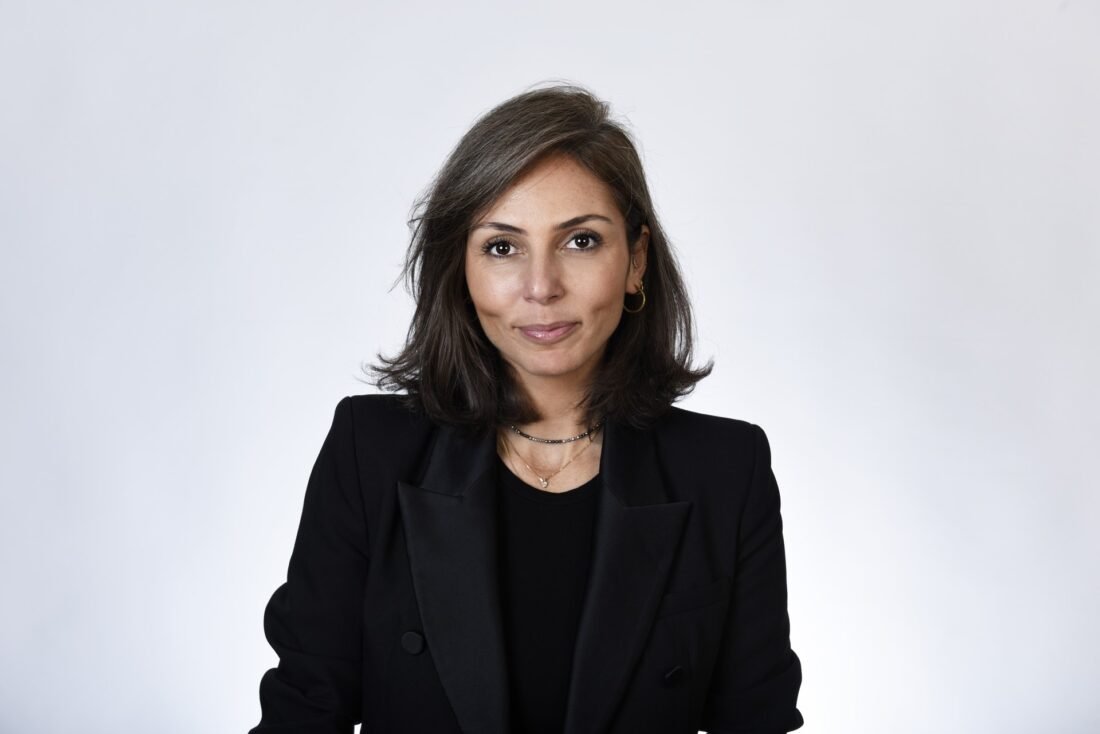
My career stretched across borders, each new country adding a different layer to how I lead and how I understand people. Working internationally meant stepping into environments where nothing was familiar — new cultures, new expectations, new ways of communicating. I learned to adapt quickly, not by changing who I was, but by expanding how I could connect. Some markets taught me the power of patience and relationship-building; others demanded speed, directness, and the ability to make decisions with incomplete information. I learned to navigate ambiguity, to read the room, and to build trust in places where I was the outsider. In corporate affairs, trust is currency. In many markets, it determines whether a brand is welcomed, regulated, or resisted. Those experiences didn’t just make me agile — they made me grounded, empathetic, and deeply aware of how culture shapes leadership.
In those early years, I often found myself as the only woman at the table — and almost always the youngest. I learned early that excellence was my leverage. Precision became my language. I had to be solid. Over time, the dynamic shifted and the more I trusted my voice, the more others did too. The more I backed my ideas with insight and clarity, the harder they were to ignore. Eventually, I stopped trying to fit into the environment and started shaping it instead. That shift — from proving myself to owning my space — was one of the most defining transitions of my career.
We all face different challenges, biases and barriers. Some are loud and obvious; others are subtle but just as limiting. But I’ve come to believe that progress often comes from the small, consistent steps we each take. Speaking up when silence is easier. Supporting others. Challenging a bias in real time instead of letting it slide. Choosing to lead differently than those around you. These small actions accumulate. They shift cultures. They open doors. They create momentum. And they remind us that change is not abstract — it’s personal, intentional, and within reach.
This year’s International Women’s Day theme, Give to Gain, resonates deeply with me because my entire journey has been shaped by people who offered guidance when I needed it most, whether it was decoding a new market or believing in my potential before I fully believed in it myself.
Today, I try to pay that forward by sharing the lessons I learned, giving others the space for their voices to be heard and guiding them if and when needed. It is very simple; Giving, to me, is about multiplying impact. When we lift others, we create ecosystems of leadership — not individual success stories. When we share knowledge, we strengthen the whole system. When we open doors, we make change happen from the inside out.
To the women rising in our industry — especially those stepping into male-dominated spaces or global roles — I offer a few humble advice shaped by my experience:
• Do not shrink yourself to fit the room. Your presence is not accidental; it’s earned.
• Stay curious about people and cultures. In global roles, understanding nuance is often more powerful than authority.
• Let challenges refine your strategy, not reduce your confidence. Your voice has value — use it with intention.
• Give generously. The impact you make on others will always come back to you in ways you don’t expect.
My journey has shown me that when we lead with agility, empathy, and generosity, we don’t just navigate complexity — we influence systems, shape environments, and turn uncertainty into opportunity.