
Signals For 2026: Emirates Nature WWF’s Rasna Al Khamis
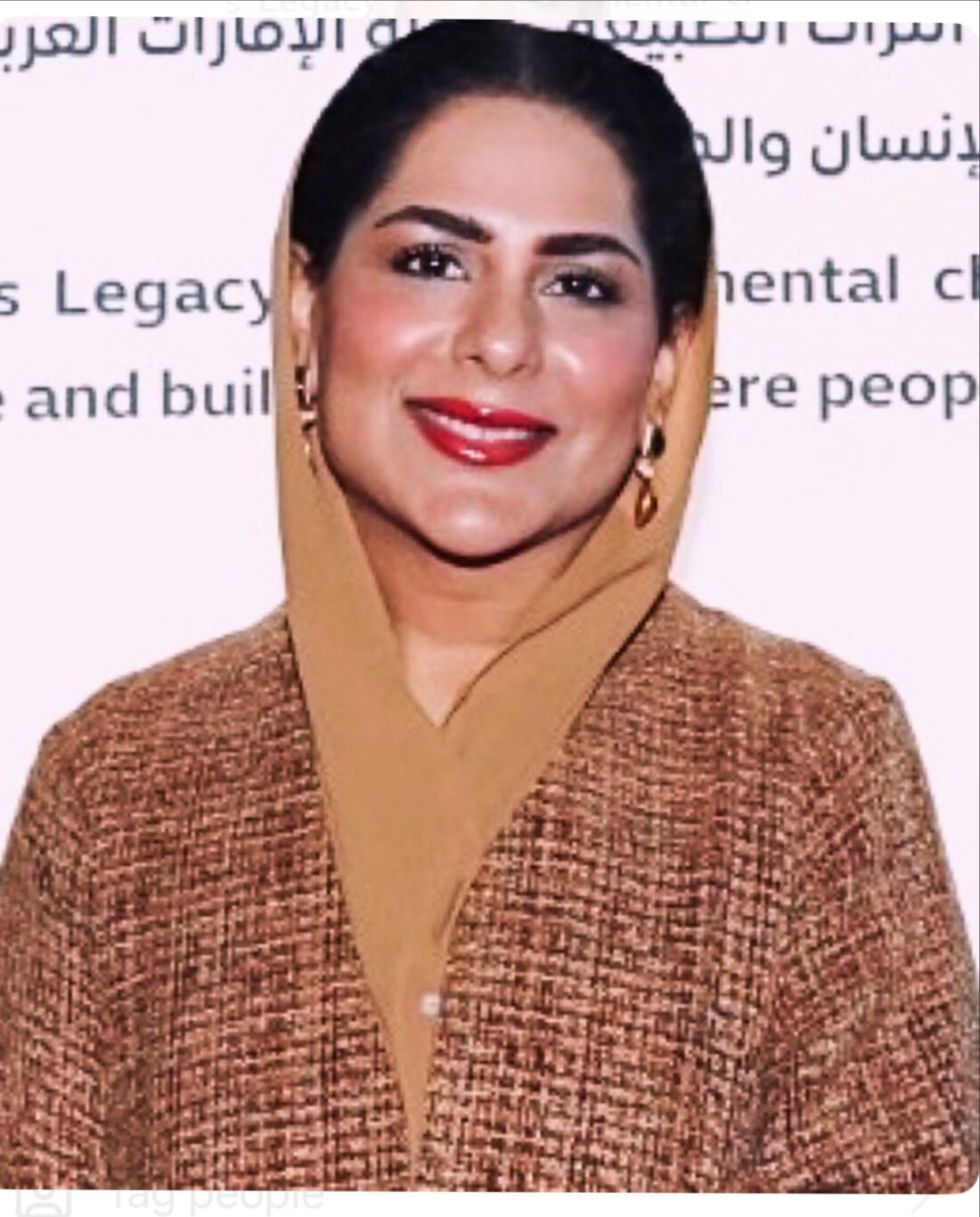
By: Rasna Al Khamis: Chief Marketing and Engagement Officer, Emirates Nature WWF
One defining shift or lesson from 2025
The defining lesson of 2025 was that more marketing did not lead to more meaning. In fact, in many cases, it did the opposite. As brands accelerated content production, often powered by AI, audiences didn’t become more engaged; they became more discerning. Studies throughout 2024 and 2025 consistently showed declining engagement rates across social platforms, even as posting frequency increased. At the same time, the 2025 Edelman Trust Barometer reported that fewer than half of consumers trusted brands to “do what is right,” marking one of the lowest confidence levels in years.
What emerged was a clear fatigue with constant campaigns and reactive messaging. People didn’t stop paying attention altogether, they became more selective. They questioned brand motives more closely, trust grew increasingly fragile, and attention shifted from passive scrolling to a conscious, limited choice. In an environment where the average consumer is exposed to thousands of messages a day, attention stopped being something brands could assume they were entitled to.
We saw this contrast most clearly in brands that chose restraint over volume. Companies like Patagonia continued to resonate not because they were louder, but because their communication remained tightly aligned with their values and actions. Their consistency signaled credibility, not performance.
Importantly, the lesson of 2025 wasn’t that technology or AI failed us. If anything, it proved how powerful these tools can be. But it also made something equally clear: strategy must lead execution. When speed replaces clarity, brands begin to blend into sameness. The strongest performers were those that slowed down enough to define what they stood for, communicated with intention, and treated trust as something to be protected, not assumed.
One bold, grounded prediction for 2026
Looking ahead to 2026, I believe marketers will need to prioritize storytelling with intention, not volume. People are overwhelmed by content, but they still respond to stories that feel grounded and honest. Brands like Patagonia and Nike work because their messaging reflects clear values, not fleeting trends. Another key focus is precision over noise, where strong positioning will matter more than constant campaigns. Finally, marketers must think long-term. In a fast, automated world, brands that build trust through consistency and purpose will outperform those chasing short-term attention.
Additionally, I believe trust will become the central filter for marketing decision-making. AI will be expected, not exceptional. The real differentiator will be how responsibly it is used and how transparent brands are about the value exchange. Decision-making will shift from “what can we automate?” to “what have people trusted us with?”. Platforms like Spotify offer a useful reference point, using first-party data to improve experience without crossing into discomfort and giving users a clear sense of benefit and control.
I also expect a continued move away from broadcasting toward participation. Younger audiences want to engage with brands that invite collaboration rather than simply push messages. Co-creation and community-led ideas will matter more than polished campaigns, which is why brands like LEGO continue to resonate. This doesn’t mean co-creation will be a constant, but brands will require active listening, responsiveness, and space for audiences to feel seen.
At the same time, nostalgia is being reworked, not repeated. Brands like Gucci succeed by honoring heritage while making it relevant now. In 2026, the strongest strategies will blend participation with emotion, connecting generations through shared stories, collaboration, and evolving identity, remixing legacy rather than repeating it – so that history feels relevant rather than static.
In 2026, the brands that stand out will be those that combine clarity with restraint, technology with ethics, and storytelling with participation. They will essentially treat data, culture, and community as long-term relationships, not short-term assets. That approach won’t just improve performance, it will redefine what credible, sustainable brand leadership looks like in an increasingly automated world.