Signals For 2026: Babyshop’s Mitin Chakraborty
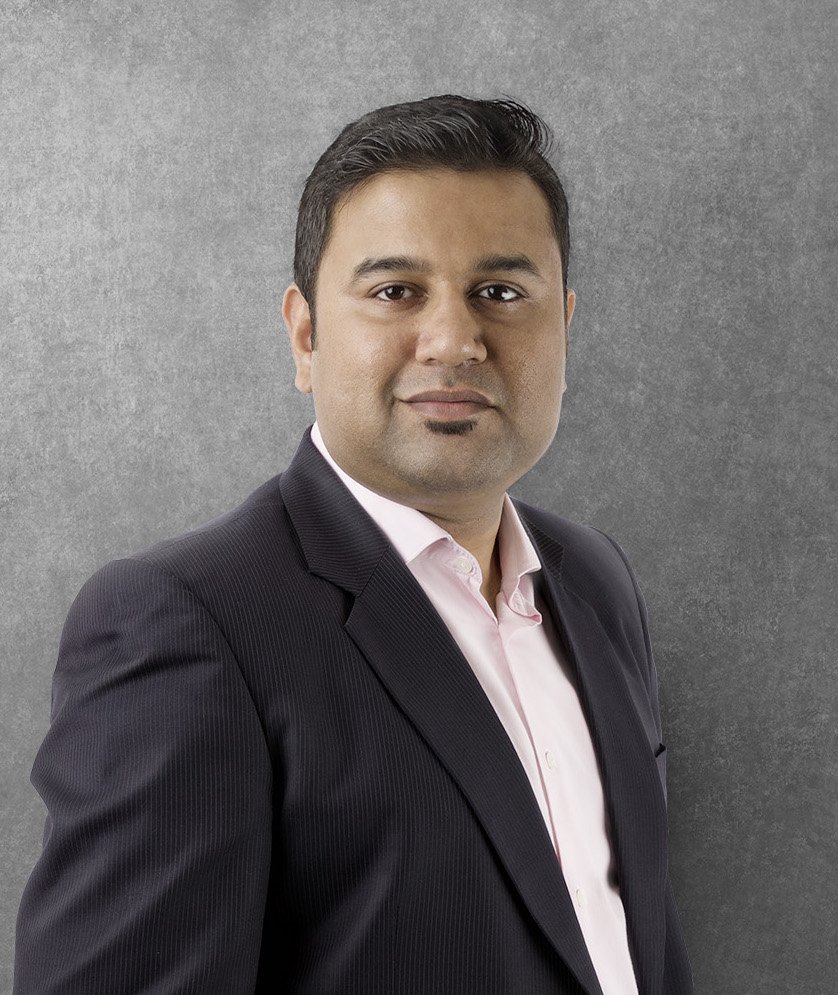
By: Mitin Chakraborty, Head of Marketing, Babyshop
The Marketer’s Balancing Act
What 2025 taught us and why Trust will matter more than ever
Looking back at 2025, what stayed with me most was not a particular technology, platform, or campaign format. It was the growing tension in the role of marketing leadership itself.
Senior marketers were expected to zoom out more than ever before. To understand the business in its entirety, growth pressures, margins, customer behaviour, long-term brand value. To bring clarity to leadership conversations that were increasingly complex and interconnected. That expectation has not gone away.
But what changed meaningfully in 2025 was the need to zoom in just as deliberately.
As automation, AI tools, and content velocity accelerated, execution became fragile. Not because teams lacked capability, but because scale exposed gaps quickly. Brand consistency, quality control, and governance could no longer sit comfortably a few layers down. Decisions around how AI was used, how content was produced, and how experiences were stitched together started showing up directly in front of customers.
The most effective marketers I saw last year were not those who stayed at one altitude. They moved between the two. Zooming out to connect dots, but zooming in to protect standards. Not to micromanage, but to stay accountable for what the brand actually put into the world.
That balance becomes even more important as we look towards 2026, because trust is about to become far more precious.
We are entering a phase where brands will be able to generate almost everything at scale, content, journeys, personalisation, even emotion. When that happens, consumers become sharper judges. Polished is no longer impressive. Fast is no longer enough.
Trust will be built through what feels human.
You can already see this in how influencer marketing is evolving. Audiences are far more sceptical of transactional endorsements. They are quicker to question intent, alignment, and authenticity. The brands that will earn trust are not the ones chasing reach, but those building long-term relationships with fewer, more credible voices who genuinely fit.
The same applies to experiences. Live events, community moments, and physical or human-led interactions matter because they are harder to fake. When a brand shows up consistently, listens, and creates value beyond selling, trust accumulates quietly.
Communities, loyalty programmes, and owned platforms will matter for the same reason. Not because they are fashionable, but because they allow brands to be present over time, to educate, support, and respond. Trust is built in continuity, not bursts.
The uncomfortable truth is that trust cannot be automated. It cannot be hacked or accelerated. It requires restraint in a world obsessed with speed, and judgement in a world driven by tools.
The marketers who will lead in 2026 are those who can zoom out to safeguard trust at a systemic level, and zoom in to earn it through everyday experiences. In an increasingly automated world, the most human brands may hold the strongest advantage of all.