Signals For 2026: ZEEKR’s Haitham El-Bawab
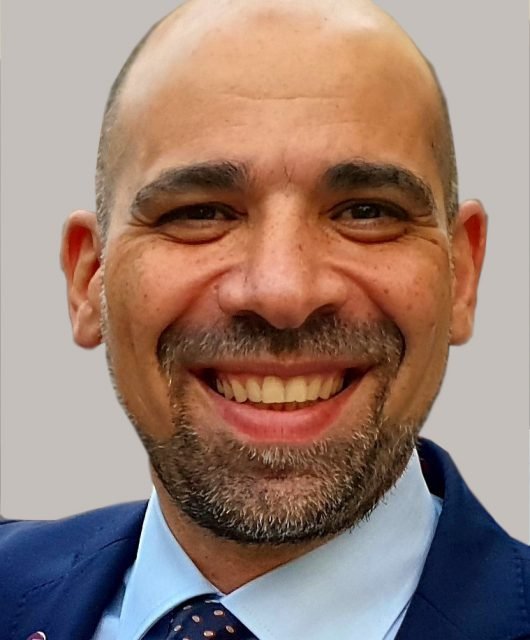
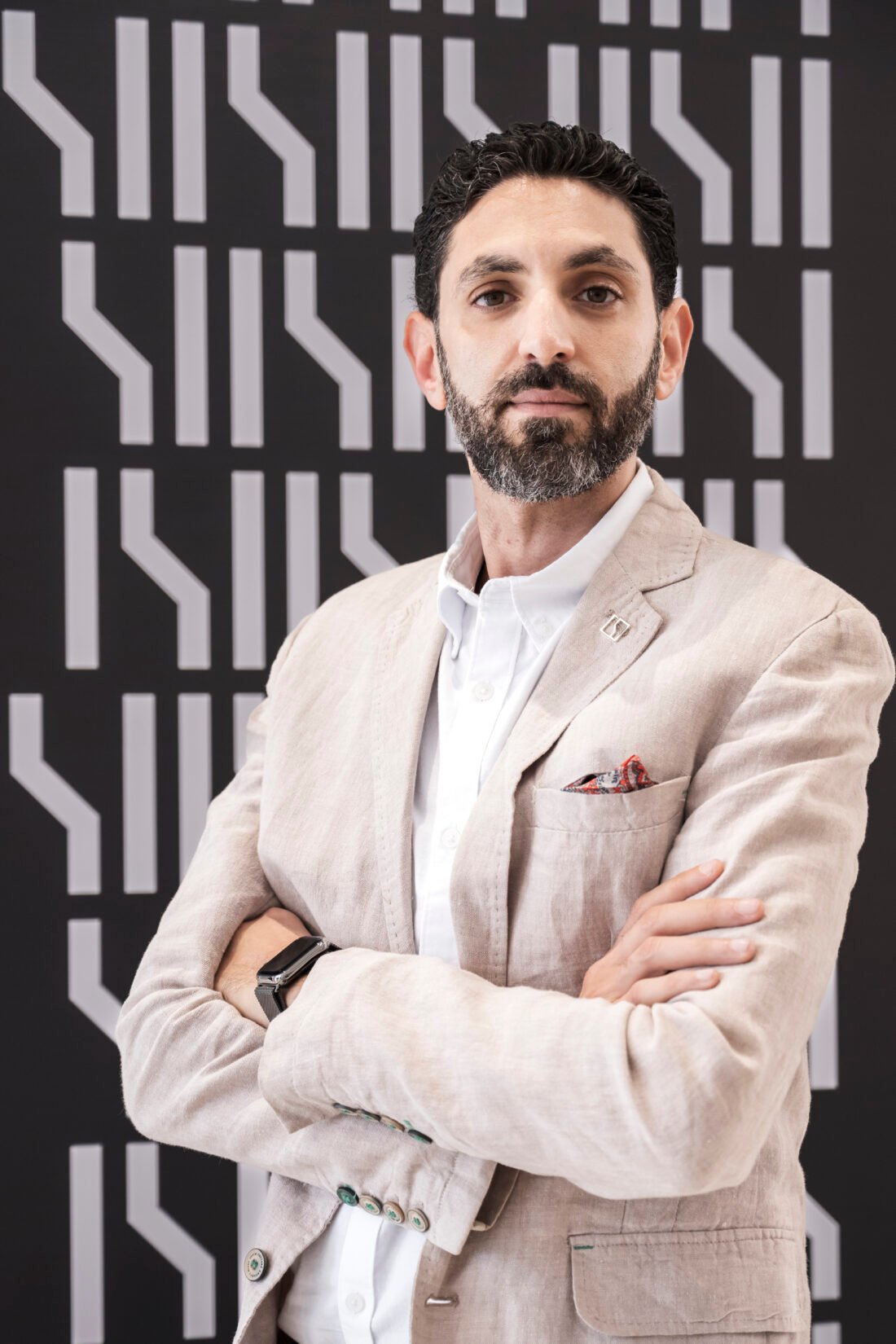
By: Haitham El-Bawab: Regional Marketing Director – Zeekr Group, Middle East & Africa
From Innovation to Confidence: How Brands Will Win the Next Phase of Growth
2025 marked an important inflection point for the mobility sector in the Middle East, not because of any single technological breakthrough, but because of a noticeable shift in customer expectations.
One of the most valuable lessons from the past year was that the market has matured faster than many anticipated. Audiences are no longer impressed by innovation alone. They are more informed, more discerning, and increasingly focused on how progress translates into real, everyday value. Across premium mobility, success became less about announcing what is new, and more about clearly expressing why it matters.
As competition intensified, clarity emerged as the true differentiator. Customers are no longer evaluating products purely on specifications or features. They are assessing brands, and by extension leadership, through confidence, coherence, and long-term intent. The strongest performers in 2025 were those who communicated with consistency and purpose, connecting advanced engineering and design with human relevance, without overcomplicating the message.
Another defining insight from the year was the importance of context. The Middle East and Africa are not a single market, but a collection of diverse realities shaped by infrastructure, climate, driving behavior, and cultural expectations. Leaders who acknowledged these nuances, and adapted their narratives accordingly, were better positioned to build credibility and trust. Global ambition remains essential, but it must be translated thoughtfully at a regional level to resonate authentically.
Looking ahead to 2026, I believe the next phase of growth will be shaped less by persuasion and more by assurance.
As innovation becomes more accessible and widespread, the role of leadership, and marketing in particular, will evolve. The focus will shift toward reinforcing confidence: confidence in product integrity, in long-term commitment, and in the overall ownership experience. Volume will matter less than authority, and visibility less than substance.
This will require a more deliberate approach to communication. Thoughtful storytelling, meaningful media engagement, and content that informs rather than overwhelms will play a central role in shaping perception and preference. Innovation will continue to be critical, but it will increasingly be evaluated through usability, design integrity, and lasting value rather than novelty.
Regionally, leadership teams will be expected to operate as strategic ambassadors of the brand, aligning global vision with local realities while supporting both commercial objectives and long-term equity. In a fast-moving and highly competitive landscape, consistency, clarity, and confidence will become the strongest signals of leadership.
Ultimately, 2026 will reward organizations and leaders who communicate with intent and restraint. Not by chasing attention, but by demonstrating how progress genuinely improves life, on the road and beyond.