The Scent That Changed Luxury: Oud’s Global Playbook
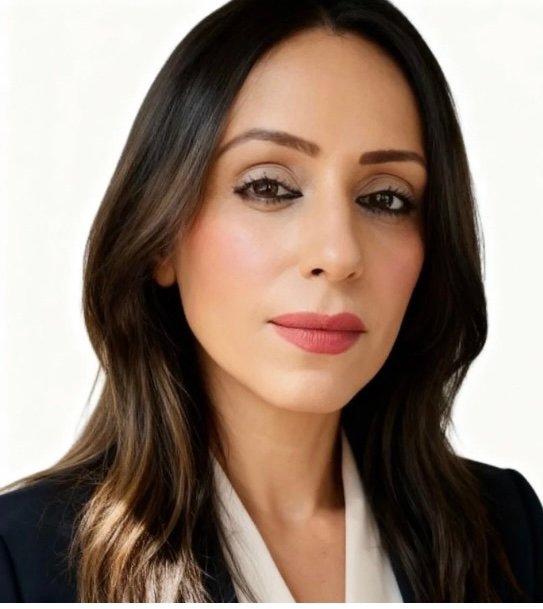
By Shagorika Heryani, Founder of Athina, a cultural and brand intelligence platform
Oud has slipped quietly from incense-filled majlis to red carpets and TikTok feeds. It now graces the fragrance collections of style insiders, cult-minded collectors, and the most discerning TikTok tastemakers. This isn’t hype, it’s hushed authority. Authentic, exclusive, and instantly recognizable.
On TikTok, UAE-based Lattafa reportedly earned over $4 million in February 2025 alone, making it the number-one fragrance brand on TikTok Shop. What was once a regional secret is now a global signal of power and allure.
Two decades ago, oud was a scent largely unfamiliar to Western audiences. Today, it anchors a multi-billion dollar global market. Omani house Amouage has seen retail sales surpass $210 million in H1 2035 alone, more than doubling over three years, while UAE’s Lattafa now reaches fragrance enthusiasts in over 120 countries with over 2,000 products. For Middle East marketers, oud provides a masterclass in cultural translation: how to take a deeply regional ritual and make it universally compelling.
The bigger question is not just how oud won, but which other cultural exports can follow the same playbook.
The Breakthrough Marketing Moment That Changed Everything
Oud’s breakthrough wasn’t driven by supply chains or market data alone. It came from reframing perception.
In 2007, Tom Ford launched Oud Wood. No exotic desert imagery. No ‘mystical East’ tropes. Just the same sleek, minimalist aesthetic the brand used for everything else. The message was simple: this isn’t foreign, this is luxury.
That was the unlock: context switching. Take something unfamiliar, place it inside a framework people already value, and suddenly the different becomes desirable.
But the real validation came from MENA brands themselves. When Amouage launched in 1983 it positioned itself as “the world’s most expensive perfume” not as regional culture, but as global luxury standard. This confidence in cultural superiority, rather than cultural difference, set the template.
From Culture To Content Feed
The second wave of the oud revolution happened online. TikTok and Instagram rewrote the rules of fragrance marketing.
Lattafa demonstrates digital mastery with million of views on TikTok, while creators introduce oud oils to young audiences who care less about heritage and more about experience. Does it last? Does it stand out? Does it come with a story worth retelling?
For them, oud delivers on all three. It lingers for hours. It doesn’t smell like anything else. And it comes wrapped in centuries of cultural mystique.
What’s striking is how audiences are learning, not from glossy department store counters, but from creators filming in bedrooms and bathrooms. Middle Eastern brands like Lattafa more than tripled the sales of the next-biggest brand on TikTok Shop, with fellow UAE brand Armaf logging over $1.1 million in sales. Middle Eastern culture isn’t being pushed, it’s being discovered, interpreted, and celebrated in real time.
Celebrities as Cultural Amplifiers
Oud’s rise also illustrates the power of organic celebrity adoption. When Kim Kardashian mentions her love for Tom Ford’s oud-based fragrances, or when Rihanna is photographed wearing similar scents, these endorsements aren’t transactional. They reflect genuine preference, and that’s powerful.
This creates a type of marketing impact money can’t buy: authentic cultural credibility. When A-listers choose oud, it signals that Middle Eastern fragrance culture is recognized globally not as exoticized but as aspirational.
Luxury houses have responded accordingly. Tom Ford continues expanding its oud offerings, while every major fragrance brand now features oud variations. MENA brands didn’t need to persuade the world, they showcased expertise while global audiences gradually discovered its value.
The Cultural Code That Travels
Oud’s global success is a blueprint for cultural codes that travel: meaning lifted from one context and translated into another without losing authenticity.
1. Ritual → Signature Scent Culture: In the Gulf, oud is woven into daily rituals. It’s burned in homes before guests arrive, layered before prayers, and shared at weddings. It signals respect and intention. When this code traveled, it re-emerged globally as “signature scent” culture: perfume as ritual, not accessory.
2. Quality Hierarchy → Luxury Pricing Tiers: In the Middle East, oud isn’t just one thing, it’s a spectrum. Rarity, age, and origin of the wood determine its value, with the finest priced like jewellery. This hierarchy translated into global fragrance as stratified luxury. Tom Ford, Dior, and Creed codified oud at the top of the pricing pyramid. A $500 oud-based fragrance isn’t just perfume, it borrows from the Gulf’s own scale of prestige.
3. Social Signaling → Status Symbol: In the Gulf, wearing oud marks taste, wealth, and belonging. It’s how you announce yourself without words. When the code traveled, it slipped seamlessly into Western status culture. Celebrities weren’t just wearing oud because it smelled nice, they are signaling access, discernment, and cultural edge.
How Education Became The Differentiator
Here’s what most people miss: oud didn’t go global just because it smelled different. It scaled because regional brands exported the know-how with the product.
Ajmal Perfumes now exports to 45+ countries with exclusive presence through 30 global Duty-Free locations, but more importantly, they brought Gulf perfume education with them. Walk into department stores globally and you’ll see layering tutorials, scent maps, and fragrance rituals. Those aren’t Western inventions, they come directly from Gulf perfume culture, where wearing oud has always been about technique, not just product.
Arabian Oud, has over 1200 stores globally and maintains focus on education and cultural authenticity. Al Haramain’s international acclaim stems not just from their fragrance portfolio, but from teaching global consumers about quality gradations and cultural significance.
Amouage’s didn’t just place products on shelves, they trained retail staff in oud appreciation, quality gradations, and cultural significance.
This created lasting competitive advantage. Once consumers understood why oud lasted longer, how to layer it, and what made some bottles cost $50 while others cost $500, they weren’t just buying fragrance, they were buying into a cultural approach to scent.
Five Moves Every Marketer Should Steal
Oud’s global takeover offers a playbook that marketers across the Middle East and beyond can replicate:
1. Start with product superiority. Oud’s appeal came first from performance, longer-lasting, more complex scents, before cultural storytelling added differentiation.
2. Find the bridge, not the gap. Successful marketing enriches existing behaviors in target markets rather than replacing them. Oud enhanced luxury fragrance culture instead of inventing a new one.
3. Let influencers discover and interpret. Communities like PerfumeTok show that organic discovery builds credibility more effectively than advertising.
4. Export the expertise, not just the product. Teaching audiences how to use and appreciate oud strengthened advocacy and brand authority.
5. Price for prestige, then expand accessibility. Establishing luxury credentials first built aspirational appeal before democratizing access. Lattafa’s success shows how accessible price points ($20-50) can capture mass market after cultural credibility is established.
What’s Next After Oud
Oud isn’t the only cultural treasure ready for global dominance. Each of these has what marketers dream of: authenticity, uniqueness, and stories that resonate across borders.
Arabic Coffee Culture → Global Hospitality Codes In the Gulf, serving gahwa is about ritual, generosity, and belonging. That ritual is already crossing over. Starbucks sells “Arabic coffee blends” in the GCC, and upscale hotels worldwide offer traditional coffee ceremonies. The same ritual could codify globally as a premium hospitality moment.
Modest Fashion → Mainstream Style Innovation What began as a regional category is now global. Nike’s Pro Hijab and Uniqlo’s Hana Tajima line prove modest wear isn’t niche, it’s shaping performance, comfort, and inclusivity. Modest fashion influencers now drive global style conversations.
Wellness Practices → Stress Culture Solutions MENA traditions like hammam rituals and herbal infusions align perfectly with global wellness culture’s obsession with restorative practices. This could follow the same path yoga took from India, rooted in tradition but re-coded for global lifestyles.
Culinary Rituals → Bold Global Food Trends Shawarma and hummus are global staples, but the next wave is about dining as ritual. Think of the communal joy of a Levantine mezze spread, or Emirati slow-cooked dishes like harees. Restaurants like Al Fanar in London Gulf dining rituals overseas, while Michelin chefs are weaving za’atar, sumac, and saffron into modern fine dining.
From Cultural Marketing To Global Playbook
Oud proved something the world can’t ignore: the Middle East doesn’t just consume global culture, it sets the global agenda. What started in Gulf homes now dictates what celebrities wear, what TikTok reviews go viral, and what luxury brands launch season after season.
With Amouage surpassing $210 million in annual sales and Lattafa dominating TikTok with over $4 million monthly revenue, this isn’t just cultural export, it’s economic transformation at scale.
The Middle East’s next frontier is cultural capital. The question isn’t whether global consumers are ready oud answered that already. The question is which category of MENA brands will have the vision to make their heritage resonate globally next.
Coffee, fashion, hospitality, wellness, these aren’t just local rituals, they’re underleveraged assets waiting for the right framing, the right infrastructure, the right moment. The oud playbook shows how it’s done: translate without diluting, educate as you expand, and let culture travel with authority.